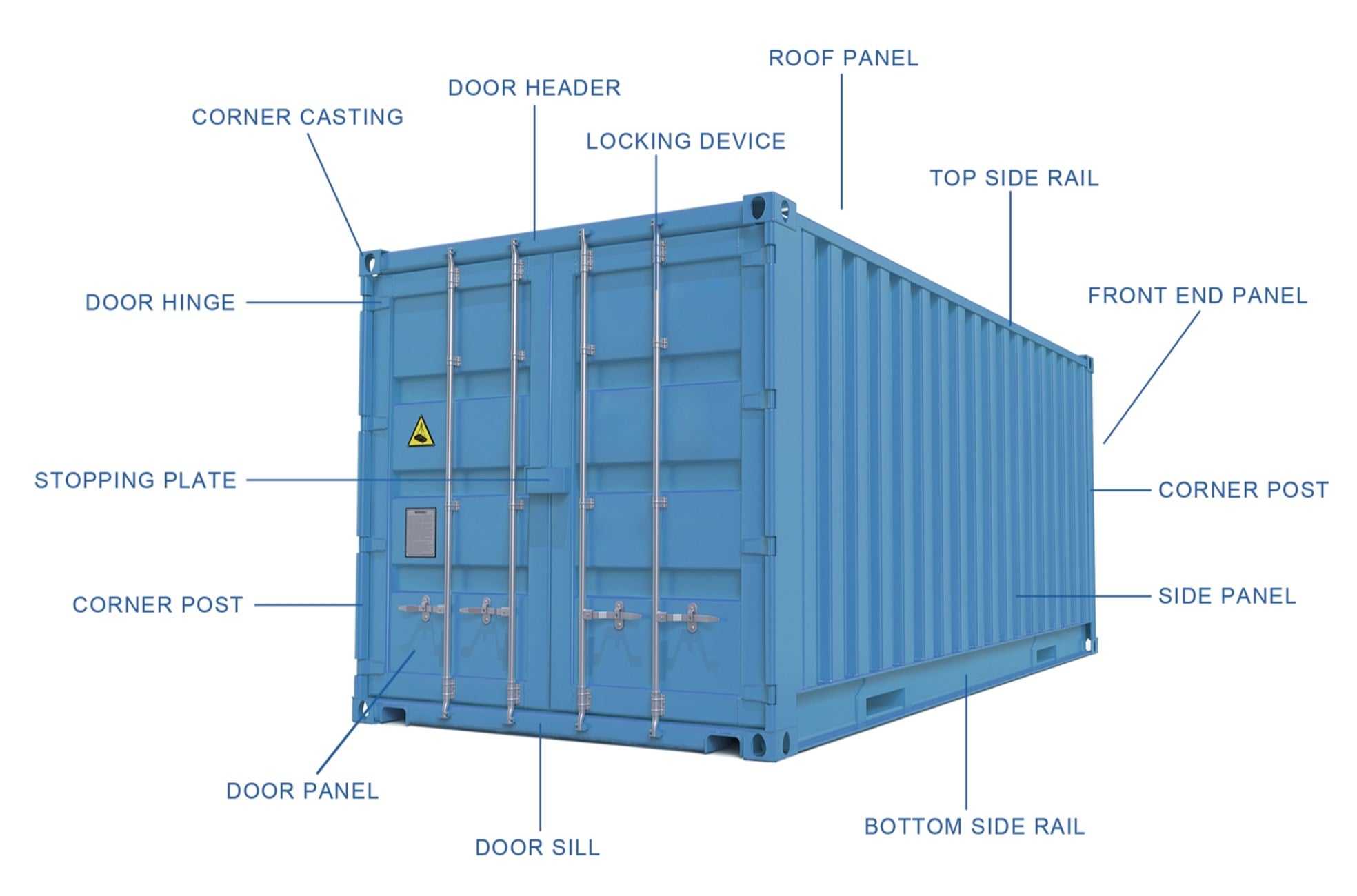
In 2024, the global shipping industry moved an estimated 170 million containers, illustrating the immense scale and complexity of modern maritime trade. Behind this impressive statistic lies a web of logistical challenges, none more critical than ensuring that containers remain securely stacked during transit. At the heart of this effort are container stacking pins—often overlooked components that play an essential role in safeguarding cargo, preventing accidents, and reinforcing the resilience of international supply chains.
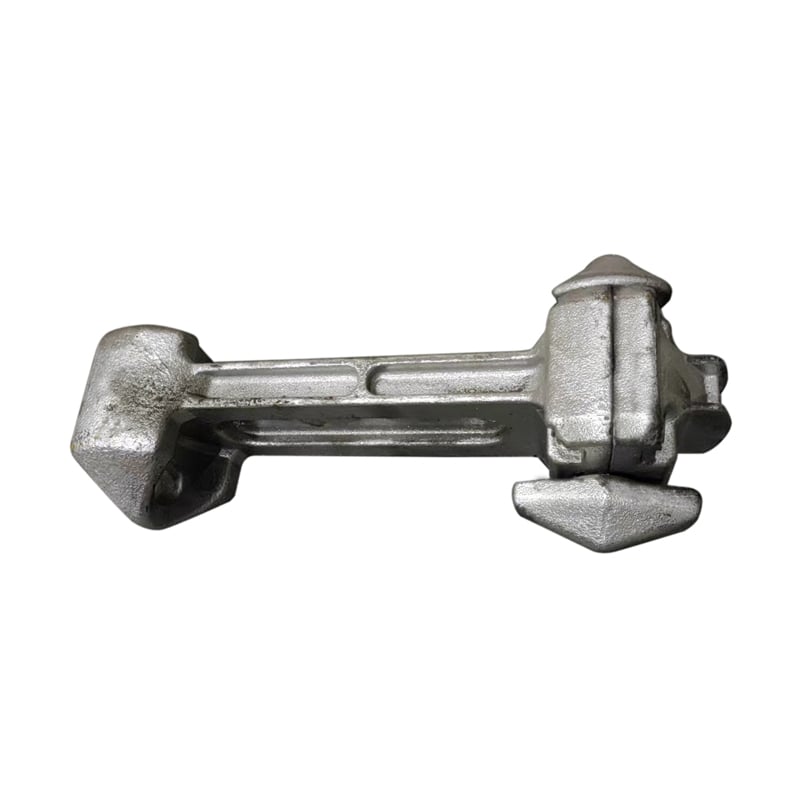
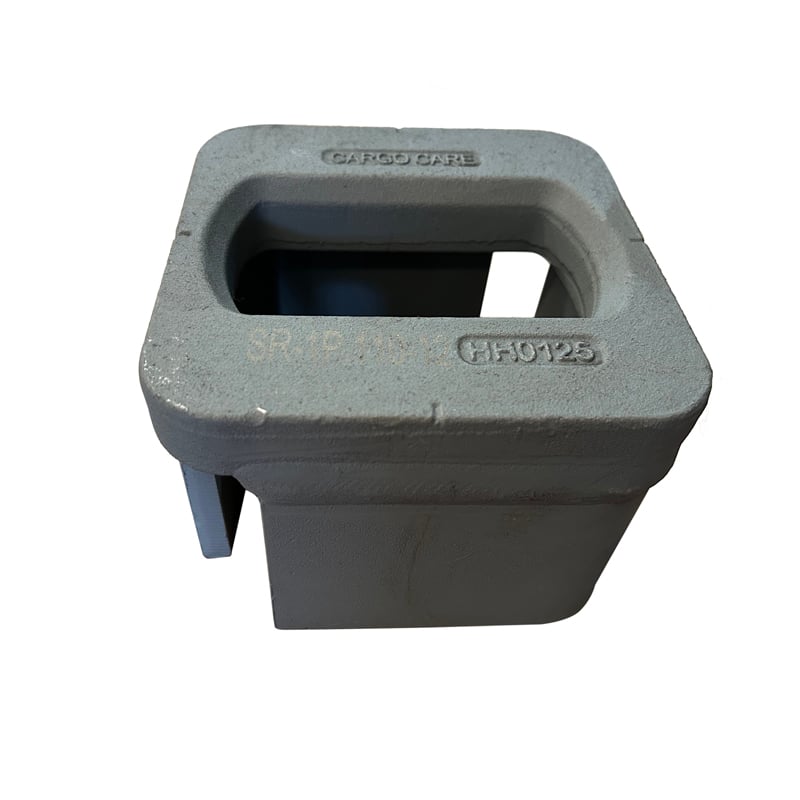
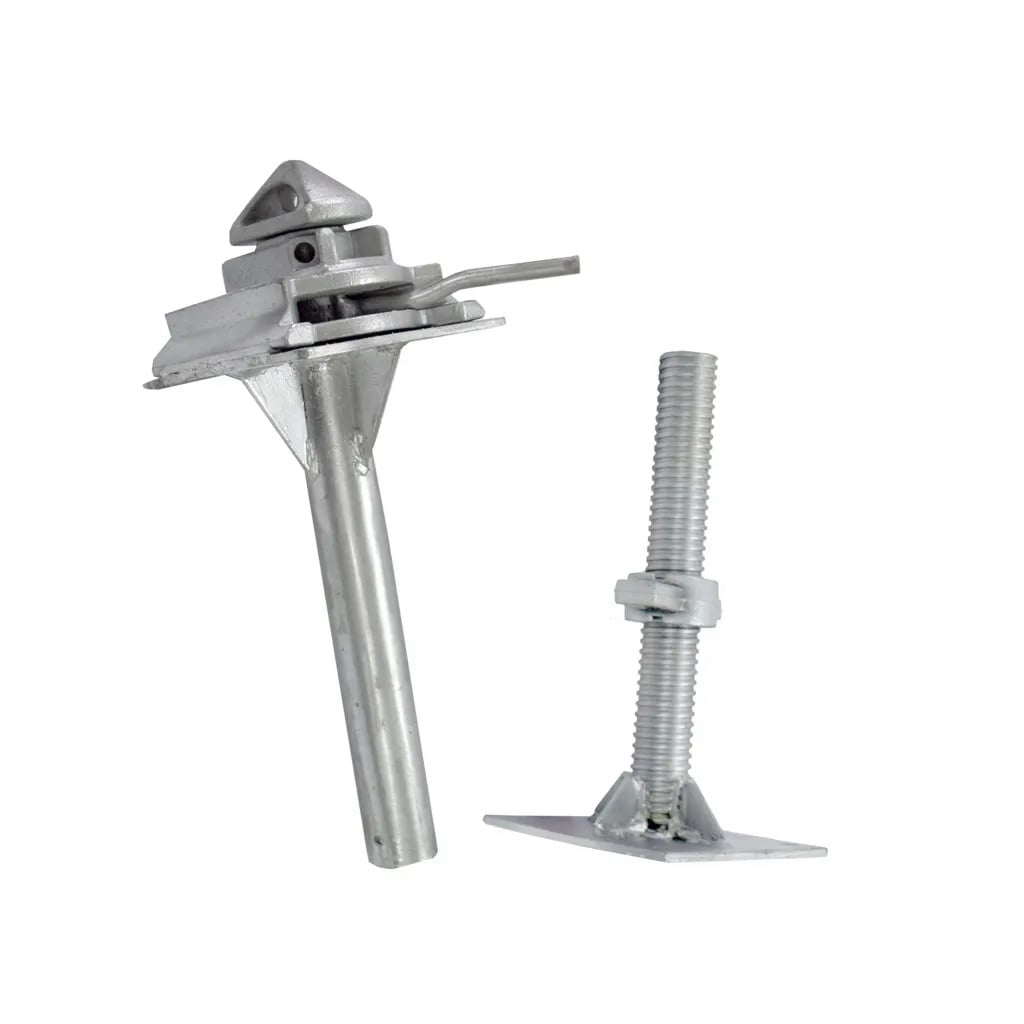
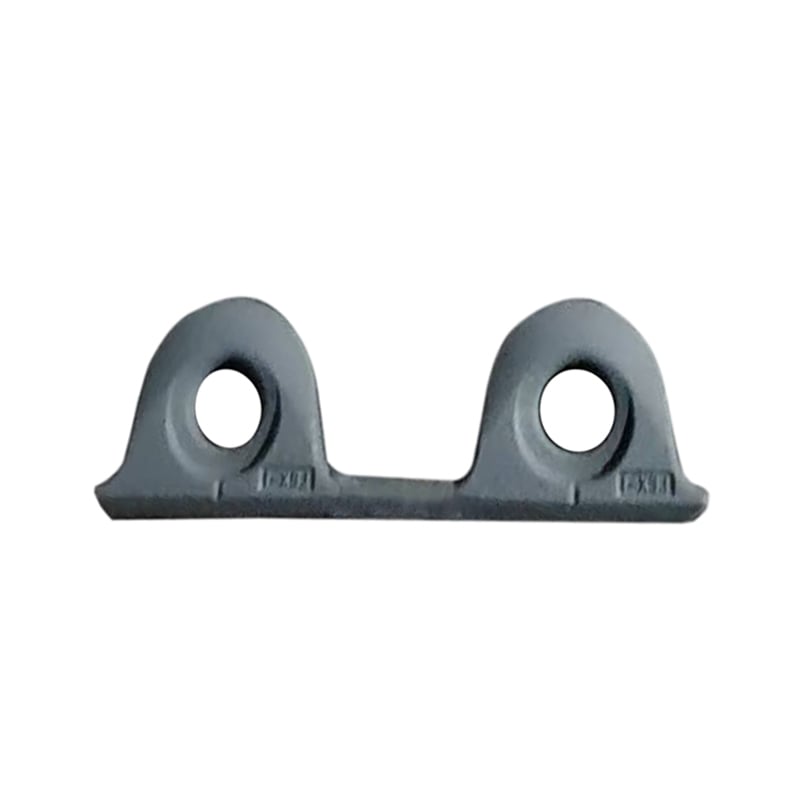
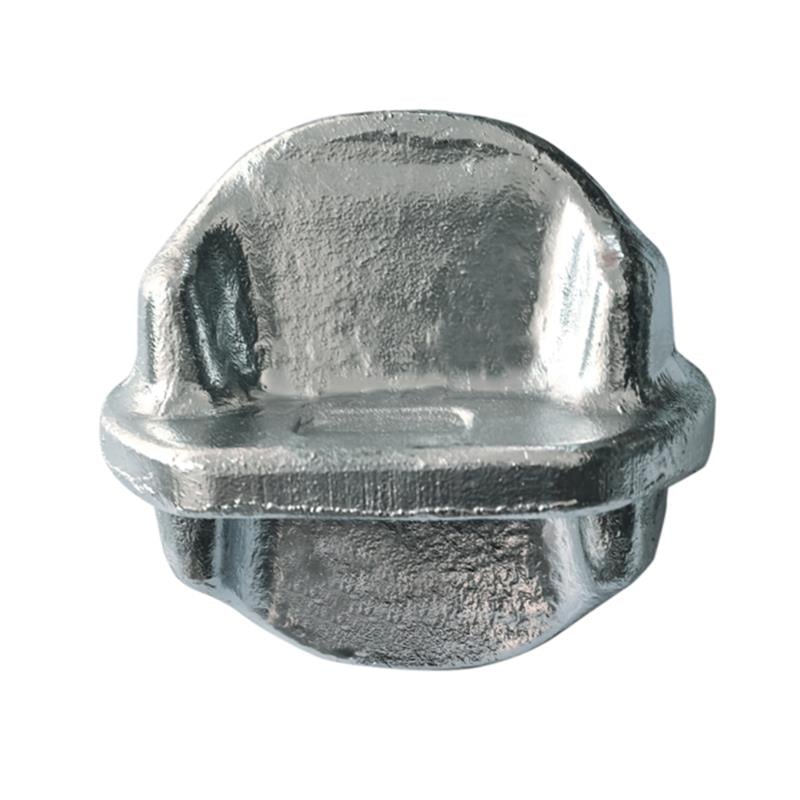
Container stacking pins, commonly known as twistlocks, are mechanical devices used to interlock shipping containers. They fit into the corner castings of containers, forming a secure connection that maintains vertical alignment and structural stability. Whether at sea, on railcars, or in port terminals, these pins are fundamental in preventing stack collapses and load shifts caused by rough weather, uneven weight distribution, or high-speed handling.
The importance of these devices has only grown as container ships increase in size and port operations accelerate. With towering stacks of containers reaching new heights, the margin for error narrows. A single failure in a stacking pin can lead to catastrophic losses, both financially and in terms of safety. This has prompted stricter international regulations, such as the SOLAS requirement for verified gross mass, which mandates accurate weight declaration for every container. By ensuring that weight data is precise, these regulations help reduce instability in stacks and minimize the risk of incidents, thereby driving demand for more reliable and durable stacking solutions.
In response, manufacturers have developed advanced pin designs that prioritize strength, ease of use, and resistance to corrosion. High-grade steels and composite alloys are now commonly used to extend product lifespan and withstand harsh marine environments. These innovations not only improve safety but also enhance operational efficiency by enabling faster stacking and de-stacking in busy terminals.
Beyond mechanical improvements, the container stacking pin market is undergoing a technological evolution. Industry leaders are beginning to integrate smart technologies into these devices. Sensor-equipped pins can now monitor real-time data such as load stress, pin engagement status, and wear patterns. This information feeds into predictive maintenance systems, allowing logistics operators to address potential issues before they lead to failure. Such digital integration reduces downtime, improves asset management, and aligns with broader environmental goals by reducing material waste and extending product life cycles.
Sustainability is becoming an increasingly important factor in the design and deployment of stacking pins. Lightweight materials reduce fuel consumption during transport, while longer-lasting components contribute to lower carbon footprints. These developments reflect a growing commitment within the logistics sector to meet environmental, social, and governance (ESG) objectives without compromising safety or performance.
In conclusion, container stacking pins are far more than simple mechanical parts. They are strategic assets that ensure the safe and efficient movement of goods across the globe. As regulatory pressures mount, digital technologies advance, and sustainability takes center stage, these devices will continue to evolve—becoming smarter, stronger, and more integral to the stability of global supply chains. Their role, though often unseen, is indispensable in building a more resilient and responsive logistics infrastructure for the future.

 EN
EN
 Hot News