
 EN
EN
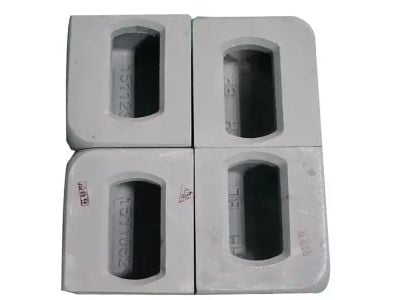
When it comes to ensuring the safety and stability of intermodal container stacking, understanding the corner casting requirements is essential. Corner castings are crucial components that provide structural integrity and secure connections between containers during transport and storage. Buyers often prioritize strength, material quality, and compliance with international standards. This article will guide you through selecting the right corner castings, key specifications, sourcing tips, cost factors, and common issues encountered in the field, ensuring you make informed purchasing decisions.
How to Choose the Right Corner Castings for Container Stacking?
Selecting the right corner castings for intermodal container stacking involves considering several critical factors. First, evaluate the material used in the castings. Most corner castings are constructed from high-strength steel or aluminum, offering durability and resistance to deformation under heavy loads. The choice of material should align with your specific application requirements, such as weight capacity, environmental conditions, and potential exposure to corrosive elements.
Next, consider the dimensions and design of the corner castings. They must be compatible with your container's design to ensure proper fit and functionality. Look for castings that meet ISO standards for intermodal containers, as these specifications guarantee that the components will perform adequately in international transport scenarios. Additionally, understanding the load ratings can help you select castings that can withstand the maximum expected weight during stacking.
Finally, customization options might be necessary based on your operational needs. If you have unique requirements, such as specific dimensions or additional features, discuss these with your supplier to ensure that they can provide suitable solutions.
Key Specifications for Quality Corner Castings in Container Use
When assessing corner castings, certain specifications are vital to ensure quality and performance. Key specifications include:
Material Grade: The grade of steel or aluminum impacts strength and corrosion resistance. High-strength materials, such as ASTM A36 steel for castings, can provide the necessary durability for heavy loads.
Load Capacity: This specification indicates the maximum weight that the corner casting can support. It is crucial to select castings that meet or exceed the expected load during stacking.
Dimensions: Accurate dimensions ensure compatibility with standard container sizes and stacking structures. Verify that the height, width, and depth of the corner casting match your container specifications.
Finish and Coating: Protective coatings can enhance durability and resistance to environmental factors. Options may include galvanization or powder coating, which help prevent rust and corrosion.
Compliance Certifications: Ensure that the corner castings adhere to relevant international standards, such as ISO, ABS (American Bureau of Shipping), and FSC (Forest Stewardship Council) certifications. These certifications validate the quality and safety of the products.
Understanding these specifications will allow you to evaluate potential suppliers effectively and ensure that the corner castings container you choose will perform optimally in your specific applications.
Sourcing Corner Castings for Your Projects
Sourcing corner castings requires thorough research and consideration of several factors. Begin by identifying reliable manufacturers with experience in producing corner castings for intermodal containers. Companies like Shouguang Esen Wood Co., Ltd., based in Linyi and Shanghai, utilize advanced production equipment and adhere to stringent quality control processes. This guarantees a consistent and high-quality product.
When evaluating potential suppliers, request samples to assess the quality of their corner castings. Inspect the samples for key specifications such as material strength, finishing quality, and dimensional accuracy. This hands-on approach allows you to make informed decisions based on physical characteristics rather than just technical specifications.
Additionally, consider the supplier's ability to customize orders to meet your specific project requirements. Discussing your needs upfront can help ensure that the supplier can deliver products that align with your operational goals.
Finally, assess the logistics and delivery capabilities of potential suppliers. Timely delivery is crucial in manufacturing and construction projects, so ensure that the supplier can meet your deadlines without compromising quality.
Cost Factors in Bulk Ordering Corner Castings for Containers
When ordering corner castings in bulk, several cost factors need consideration. First, the material selected significantly influences pricing. High-strength materials may come at a premium, but their durability can reduce long-term costs associated with replacements or repairs.
Another important factor is the complexity of the design. Custom corner castings may incur additional design and manufacturing costs, so be clear about your requirements when requesting quotes. Understanding the minimum order quantities (MOQ) is also essential, as many manufacturers offer discounts for larger orders.
Additionally, consider the shipping and freight costs associated with transporting bulk orders. Assess whether suppliers include these costs in their quotes or if they will be an additional expense. Finally, remember to factor in any potential tariffs or import duties if sourcing internationally, which can impact overall pricing.
Common Problems with Corner Castings and Their Solutions
While corner castings are designed for durability, several common problems can arise during use. One issue is misalignment during installation, which can lead to improper stacking and increased stress on the castings. To mitigate this risk, ensure that all installation personnel are trained in proper alignment techniques and utilize accurate measuring tools.
Another frequent concern is corrosion, especially in containers exposed to harsh environmental conditions. Selecting iso container corner casting with appropriate protective coatings can help prevent rust and extend the lifespan of the components. Regular maintenance, including inspections for signs of wear or damage, is also crucial.
Occasionally, buyers may encounter issues with incorrect load ratings. It's vital to verify that the corner castings meet the required specifications for your specific applications. Always refer to the manufacturer's load capacity information and ensure that it aligns with your stacking requirements.
Understanding corner casting requirements for intermodal container stacking is crucial for ensuring safety and efficiency in transportation and storage. By focusing on material selection, key specifications, sourcing strategies, cost factors, and potential problems, buyers can make informed decisions that enhance the performance and longevity of their containers.