
 EN
EN
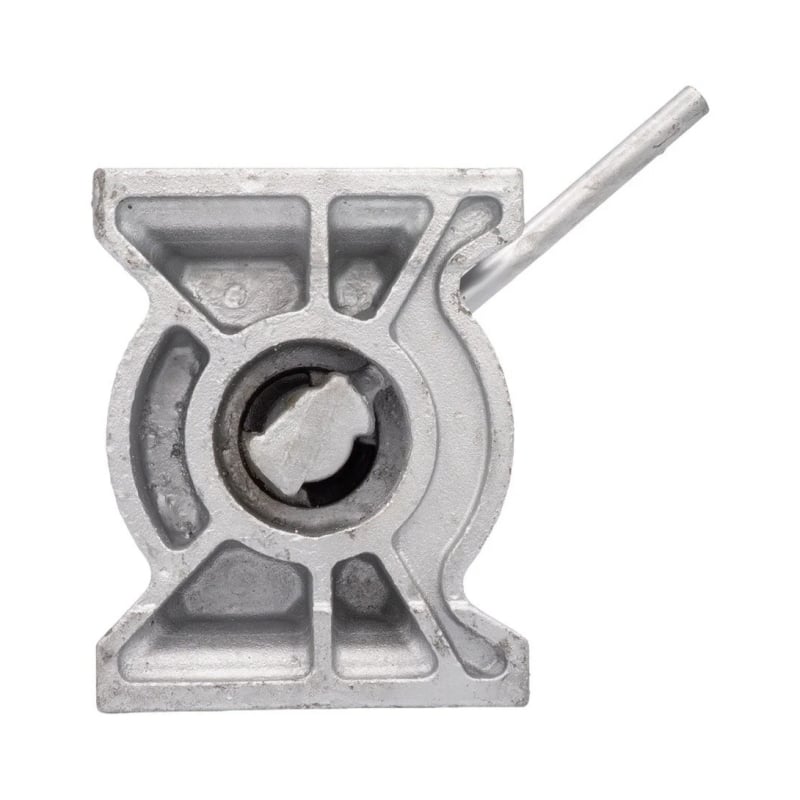
Understanding how twist lock interfaces affect corner casting performance is essential for manufacturers and purchasing managers in the industrial sector. Twistlock interfaces, integral to container systems, directly influence load distribution, structural integrity, and overall operational efficiency. This article will explore the specifics of twist lock interfaces, addressing the key concerns of buyers regarding specifications, reliability, installation, and selection, ensuring that you make informed purchasing decisions.
How Twistlock Interfaces Enhance Corner Casting Performance
Twistlock interfaces play a critical role in corner casting performance by providing secure connections between containers and their corner fittings. A well-designed twist lock interface ensures that loads are evenly distributed across the corner castings, minimizing stress concentrations that could lead to failures. This is particularly important in high-stress environments, such as shipping and storage, where durability and structural integrity are paramount.
The design of the twist lock interface influences several performance factors, including load capacity, ease of use, and maintenance requirements. By using advanced manufacturing techniques, such as precision machining and high-quality materials, manufacturers can produce twist locks that offer superior performance under load. This not only enhances the longevity of the corner castings but also reduces the risk of accidents during handling and transportation.
Key Specifications for Twistlock Interfaces in Corner Casting
When evaluating twist lock interfaces for corner castings, several key specifications should be considered:
Material Composition: The choice of materials, such as high-strength steel or corrosion-resistant alloys, directly impacts the durability and performance of the twist lock. The right material ensures that the interface can withstand environmental conditions and heavy loads without degrading.
Load Capacity: Buyers should confirm the maximum load capacity of the twist lock interfaces, as this affects the overall safety and performance of the container system. Specifications should align with the intended application to prevent overloading.
Dimensional Accuracy: Precise dimensions are crucial for ensuring proper fit with corner castings. Small variations can lead to misalignment, affecting load distribution and increasing wear over time.
Surface Treatment: Surface treatments, such as galvanization or powder coating, can enhance corrosion resistance and reduce friction, improving the overall lifespan of the twist lock interface.
Understanding these specifications allows buyers to assess compatibility with their existing systems and ensures that the twist lock interfaces selected will perform reliably under expected operational conditions.
Twistlock Interfaces and Corner Casting Reliability
Reliability in corner casting performance is significantly influenced by the quality of twist lock interfaces. A reliable twist lock ensures that the connection remains secure under dynamic loading conditions, such as during transport or stacking. Poor-quality automatic twist locks can lead to failures, resulting in costly damages and potential safety hazards.
To enhance reliability, manufacturers should focus on:
Quality Control Processes: Implementing strict quality control measures throughout the manufacturing process ensures that each twist lock meets the required specifications. This includes testing for load capacity, dimensional accuracy, and material properties.
Testing and Certification: Obtaining certifications, such as ISO and ABS, verifies that twist lock interfaces meet international safety and performance standards. Buyers should request documentation confirming compliance with these standards.
Performance Testing: Conducting real-world testing under varying conditions helps identify potential weaknesses in the design. This data can be invaluable for improving future iterations of twist lock interfaces.
By prioritizing these factors, manufacturers can produce twist lock interfaces that contribute to enhanced corner casting reliability, thereby increasing the overall safety and efficiency of container handling operations.
Installation Guidance for Twistlock Interfaces in Corner Casting
Proper installation of twist lock interfaces is essential for achieving optimal performance in corner castings. Buyers should consider the following guidelines during installation:
Alignment: Ensure that twist locks are correctly aligned with the corresponding corner fittings. Misalignment can lead to uneven load distribution and increased wear.
Torque Specifications: Adhering to the manufacturer's torque specifications during installation is critical. Over-tightening can damage components, while under-tightening may compromise the connection's integrity.
Inspection of Components: Before installation, inspect both the twist lock interfaces and corner castings for any signs of wear or damage. Any defects should be addressed prior to installation to prevent issues during operation.
Training for Personnel: Providing adequate training for installation personnel ensures that they understand the proper procedures and can recognize potential problems during installation.
By following these installation guidelines, buyers can ensure that twist lock interfaces are installed correctly, maximizing the performance and reliability of corner castings.
Choosing the Right Twistlock Interface for Optimal Performance
Selecting the right twist lock interface is crucial for achieving optimal performance in corner castings. Buyers should consider the following factors:
Application Requirements: Different applications may require specific load capacities and material properties. Buyers should assess their unique needs and choose container twist locks interfaces that meet these criteria.
Customization Options: Many manufacturers, including Shouguang Esen Wood Co., Ltd., offer customization capabilities for twist lock interfaces. This allows buyers to specify dimensions, materials, and load capacities tailored to their specific applications.
Supplier Evaluation: When selecting a supplier, consider their experience, manufacturing capabilities, and quality control processes. A reputable supplier will provide documentation and support throughout the purchasing process, ensuring that you receive high-quality products.
Cost Considerations: While price is an important factor, it should not be the sole criterion for decision-making. Evaluate the total cost of ownership, including potential maintenance and replacement costs, rather than just the initial purchase price.
By carefully evaluating these factors, buyers can select twist lock interfaces that not only meet their performance requirements but also enhance the overall efficiency and safety of their container systems.
In summary, understanding how twist lock interfaces affect corner casting performance is vital for making informed purchasing decisions. By considering specifications, installation guidelines, and customization options, buyers can ensure they select the best products for their needs. This focus on quality and reliability ultimately leads to improved performance and safety in container handling operations.
Table of Contents
- How Twistlock Interfaces Enhance Corner Casting Performance
- Key Specifications for Twistlock Interfaces in Corner Casting
- Twistlock Interfaces and Corner Casting Reliability
- Installation Guidance for Twistlock Interfaces in Corner Casting
- Choosing the Right Twistlock Interface for Optimal Performance