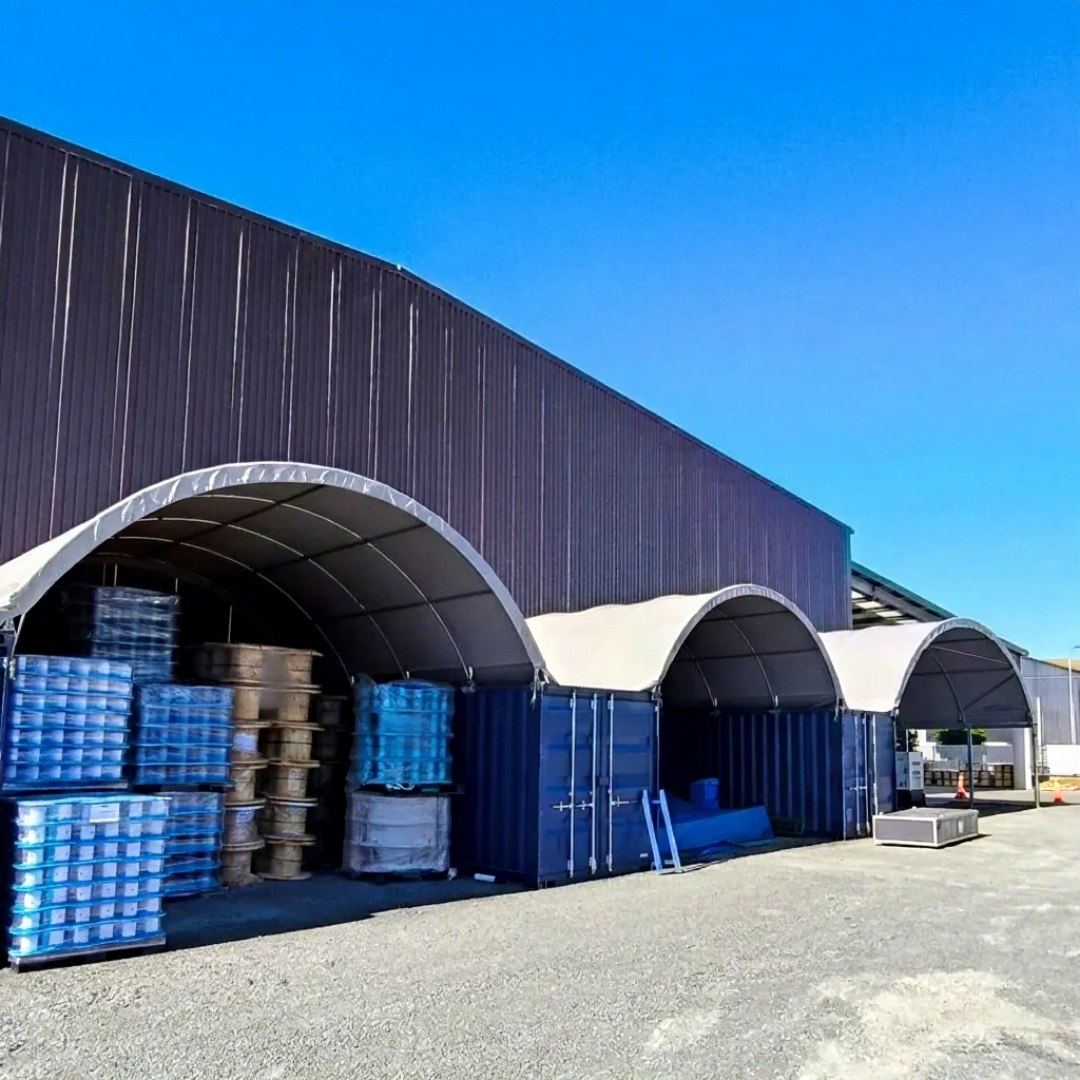
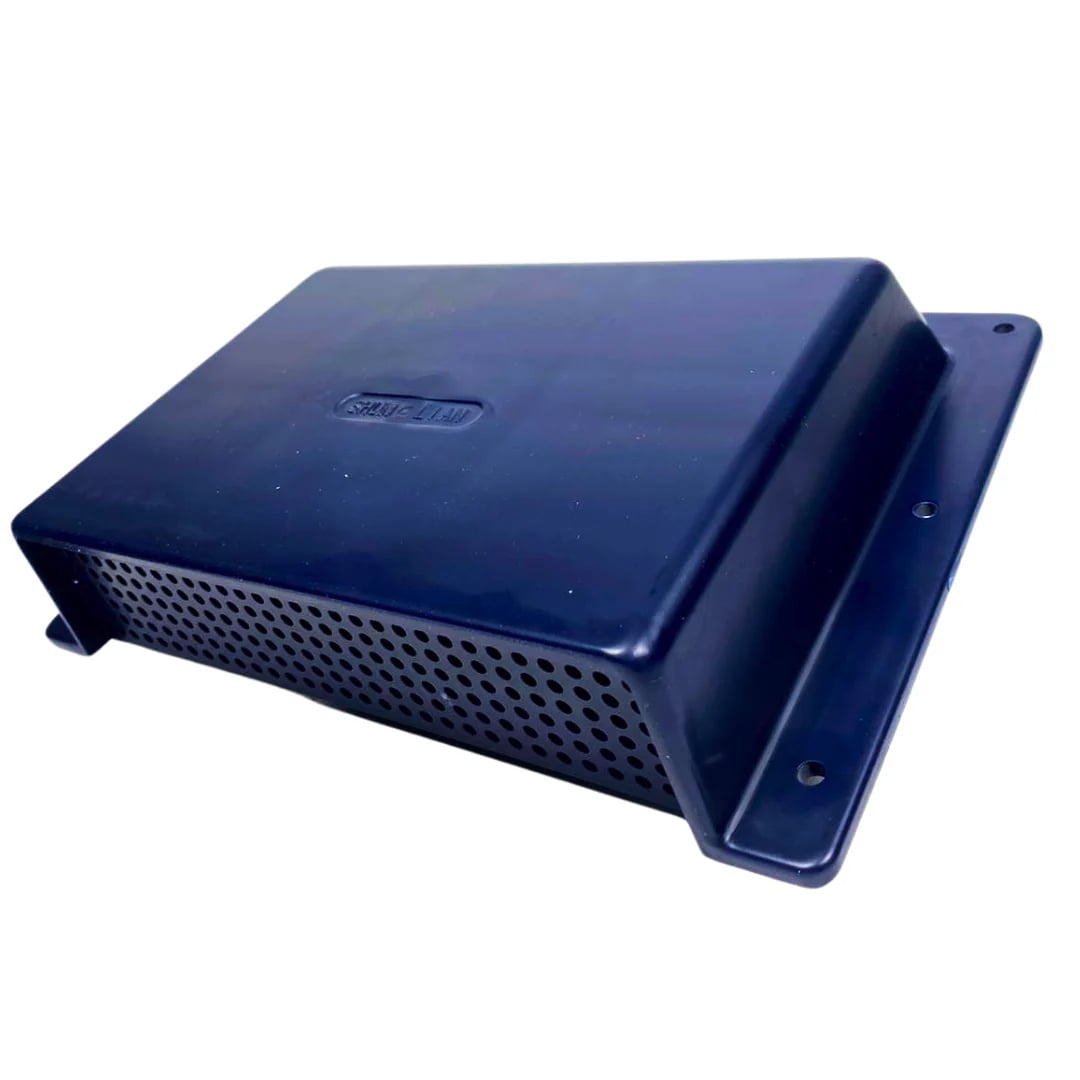
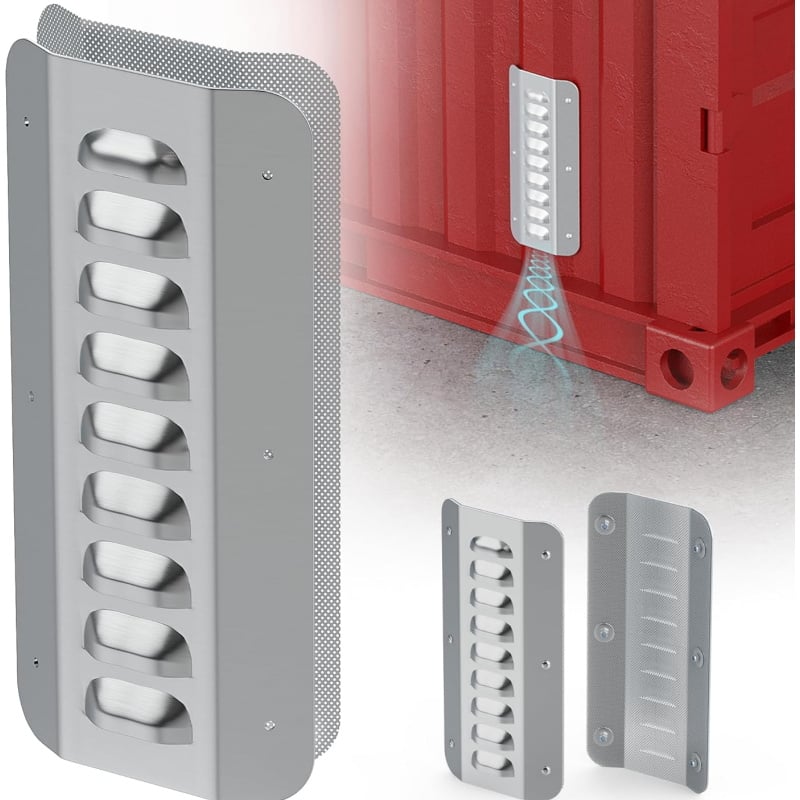
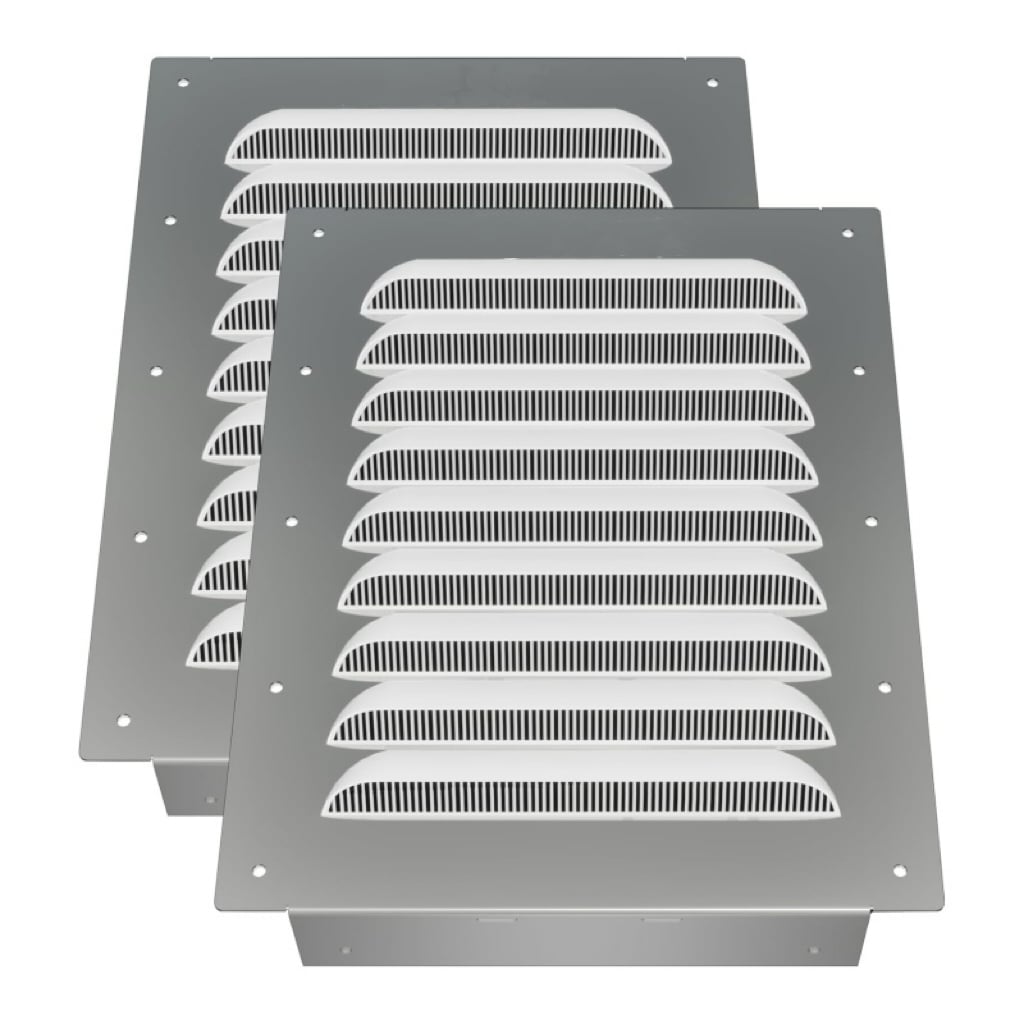
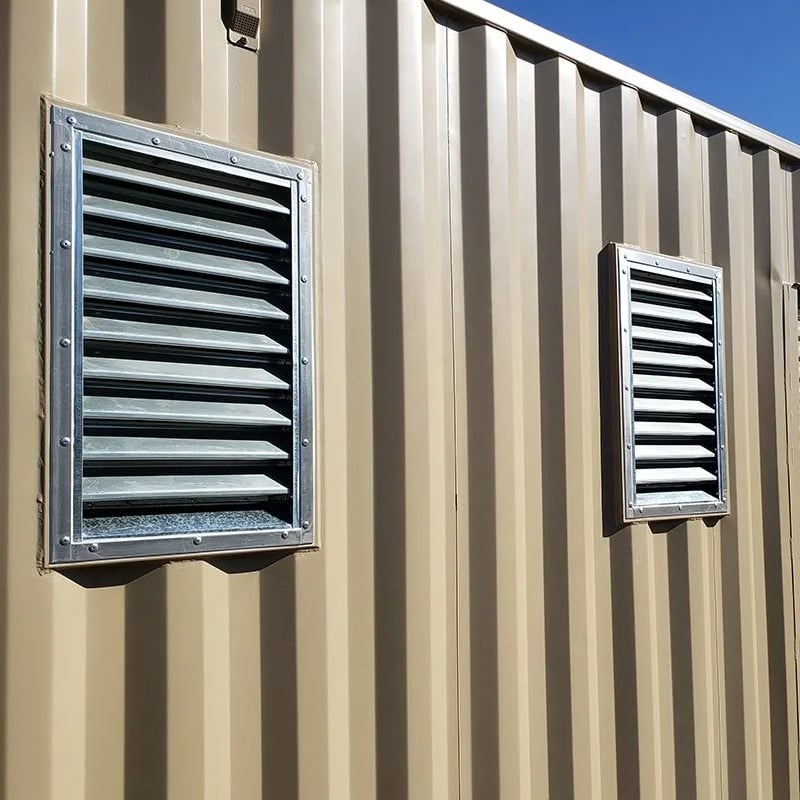
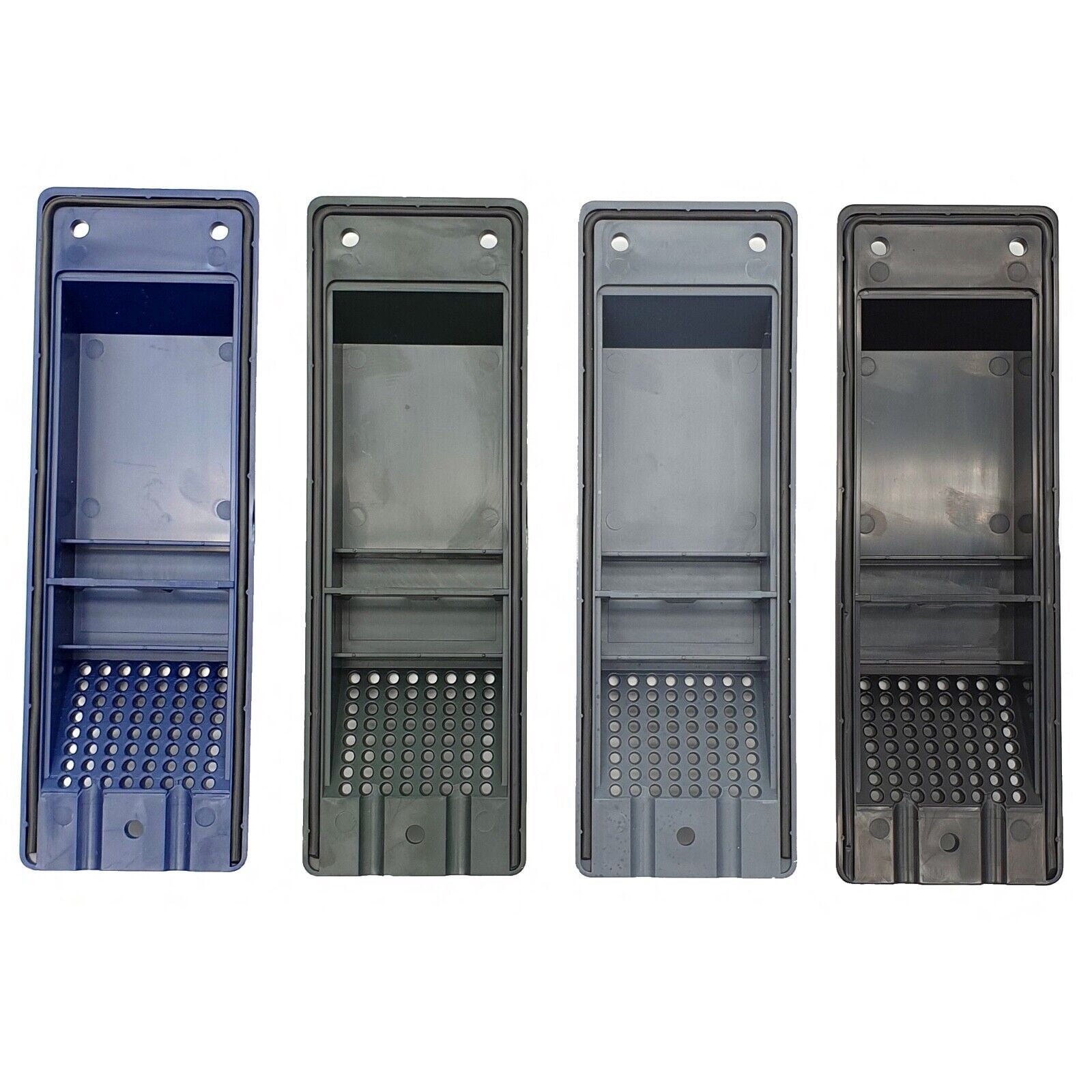
Sea can vents are important parts that help keep cargo containers fresh and dry. They are small openings that allow air to flow in and out of a sea can, which is also known as a shipping container. Without proper ventilation, moisture and heat can build up inside, causing damage to the items stored inside. This can be a problem for businesses that need to keep their products safe. At Esen, we understand how important it is to have the right sea can vents to protect your goods, we will talk about how to choose the right sea can vents for maximum airflow and where to buy high-quality shipping container air vents at wholesale prices.
Choosing the right sea can vents is very important to ensure that your container has good airflow. First, you want to consider the size of the vents. Larger vents can let more air in and out, but too big might let in dust or rain. It's a balancing act. Next, think about the material. Vents made from strong, weather-resistant materials last longer and work better in different conditions. For example, plastic vents may be cheaper, but metal vents can be more durable. You should also think about the design. Some vents have built-in filters that keep dirt and insects out, which is really helpful if you are storing food or other sensitive items. Don’t forget to check how easy they are to install. Vents that require special tools or skills can be a hassle, especially if you need to set up multiple containers. Finally, consider the location of the vents. Placing them in the right spots can help create better airflow throughout the container. For example, placing vents near the top can help let hot air escape, while vents lower down can let cooler air in. We can help guide you through these choices to ensure that you get the best sea can vents for your needs.
Finding high-quality sea can vents at wholesale prices can save you a lot of money. There are several options available. One way is to check online marketplaces that specialize in industrial supplies. Many of these websites offer bulk discounts, which means the more you buy, the cheaper each vent will be. You can also look for local suppliers who might offer lower shipping costs. Sometimes, buying directly from manufacturers, like Esen, can give you the best prices and quality. When searching for vents, make sure to read reviews or testimonials from other customers. This way, you can find out if the vents are durable and effective. Another option is to attend trade shows or local industrial fairs. These events often feature vendors showcasing their products, and you might find exclusive deals or new products. Plus, it’s a great way to network with other businesses that might have similar needs. Always remember to ask about warranties or return policies before making a purchase. This way, you can ensure that you are getting a good deal with quality assurance. With these tips, you can find the best shipping container vents that fit your budget and needs.
When you install sea can vents, there can be some problems that pop up. First, one common issue is finding the right spot for the vent. If the vent is placed in the wrong area, it might not work properly. For example, if it is too low or too close to the ground, it may not let enough air flow in and out. This can cause bad smells or even mold to grow inside the sea can. Another problem that sometimes happens is not sealing the vent correctly. If the vent is not sealed well, rainwater can get inside, which is not good for anything stored in the sea can. Water can cause rust and damage items, making them unsafe or unusable.

Sometimes, people forget to check the size of the vent they are using. If the vent is too small, it won’t let enough air in. This can make the sea can too hot or too cold, depending on the weather outside. Also, if there are too many vents, the sea can may lose its strength and stability. It is important to have the right number and size of vents for good air circulation. Finally, the materials used in the vent can also cause problems. If you choose cheap or weak materials, the vent may break or wear out quickly. This can lead to more repairs and costs in the long run. That’s why it’s a good idea to trust a company like Esen, which provides high-quality products that last longer.
Installing sea can vents can be a fun project if you follow the steps carefully. First, you need to gather all the tools and materials you will need. This includes the storage container vents, screws, a drill, a saw, and measuring tape. Make sure you have everything ready before you start. Second, choose the best place for the vent. Look for a spot that is high enough off the ground and away from any areas where water might pool. Use the measuring tape to mark where you want the vent to go.
After everything is in place, check to see if the vent is sealed properly. You might want to use some weatherproof sealant around the edges to keep water out. Once you are sure the vent is secure and sealed, take a step back and admire your work! Installing sea can vents can be easy if you follow these steps. Remember, if you have any questions or are unsure about something, it is always a good idea to ask a professional or contact our brand for help.
Holding ISO, ABS (U.S.), and FSC certifications, we adhere to both international and Chinese quality standards, supported by advanced equipment—including AUTO multi‑saws, veneering machines, and dryers—to ensure consistent, high‑performance products.
Our dedicated R&D team focuses on innovation and differentiation, offering tailored container flooring and accessory solutions that meet specific customer requirements, backed by a flexible production system capable of 3,000–5,000 units per category monthly.
Located in China’s largest wood production base (Linyi) and container spare parts hub (Shanghai), we operate a 60,000-square-meter facility with 9 automated production lines, 500+ employees, and annual outputs of 100,000 m³ flooring plywood and 500,000 tons of spare parts.
With long‑term partnerships across Europe, North America, Southeast Asia, and domestic leaders like CIMC, we provide full pre‑sales support—from customized quoting and sampling to production follow‑up—ensuring reliable delivery and seamless collaboration worldwide.