
 EN
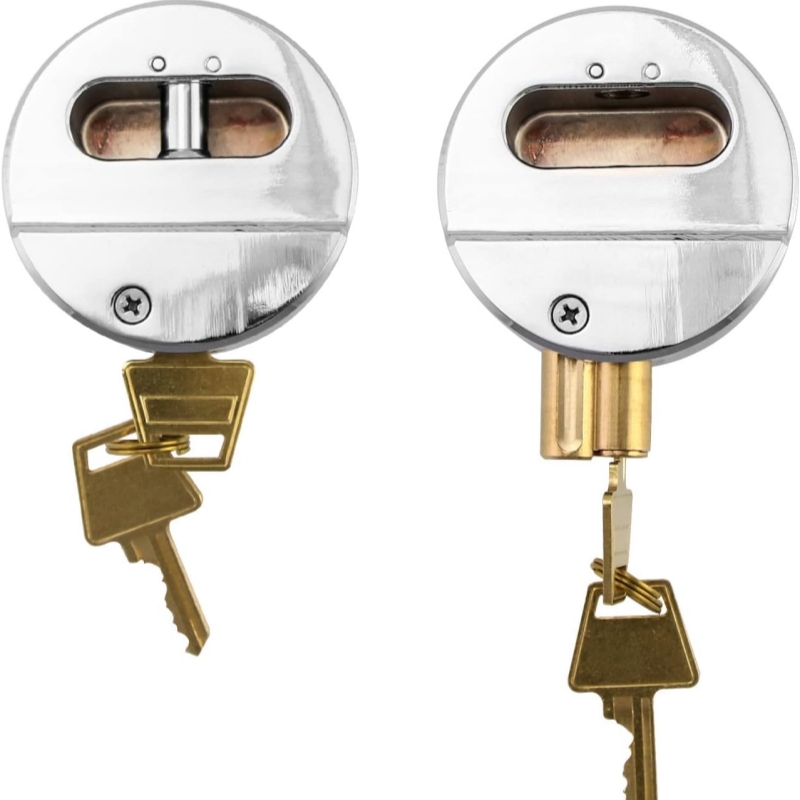
Understanding how shackle diameter affects resistance to mechanical attacks is crucial for professionals involved in purchasing and utilizing industrial hardware. Shackles, often used in lifting and securing applications, come in various diameters, which can significantly influence their strength and vulnerability to tampering or failure under stress. This article aims to provide valuable insights into how shackle diameter impacts mechanical attack resistance, helping buyers make informed decisions when selecting products for their specific needs.
How Shackle Diameter Influences Mechanical Attack Resistance
The diameter of a shackle plays a vital role in its overall strength and resistance to mechanical attacks. A thicker shackle, for instance, generally offers greater resistance to cutting and deformation compared to a thinner one. This is primarily due to the increased material volume that enhances its structural integrity, making it more challenging for attackers to compromise.
Furthermore, the diameter contributes to the shackle's flexibility. While a thicker shackle is less flexible and more resistant to bending, it may also be heavier and more cumbersome to use. Conversely, a thinner shackle could be more susceptible to mechanical attacks, such as shearing or prying, especially when inferior materials are used in its construction. Buyers must weigh the trade-offs between ease of use and security when selecting the appropriate container lock shackle diameter for their applications.
Which Offers Better Resistance?
When evaluating which shackle diameter offers better resistance, it is essential to consider both the material used and the intended application. For example, shackles made from high-grade steel or alloy materials typically provide enhanced resistance to mechanical attacks, regardless of their diameter. However, when comparing shackles of the same material, a larger diameter is generally more robust.
It is also important to note that the shackle's design can affect its resistance to attacks. For instance, shackles with additional features, such as reinforced areas or locking mechanisms, can improve security beyond just the diameter. Buyers should assess the specific requirements of their application, including the types of potential attacks and the environment in which the shackles will be used, to determine the optimal diameter and design.
The Role of Diameter in Strength
The relationship between shackle diameter and strength is direct: as diameter increases, tensile strength typically increases as well. This is particularly relevant in applications where shackles are subjected to significant loads or stress. A thicker shackle is less likely to fail under tension, making it suitable for heavy-duty applications such as construction or marine use.
In manufacturing practices, the production process can also affect the performance of shipping container lock shackles. At SHOU GUANG ESEN WOOD CO., LTD, advanced equipment such as auto multi-saws and quality control processes ensure that shackles are produced to precise specifications. Buyers should inquire about the manufacturing capabilities and quality assurance measures in place to ensure that the shackles they purchase meet their strength requirements.
Evaluating Shackle Diameter for Wholesale Purchasing Decisions
When making wholesale purchasing decisions, evaluating shackle diameter involves several considerations. First, buyers should assess the specific application requirements, including load capacity, environmental factors, and potential security risks. Understanding the context in which the shackle will be used will guide the selection of an appropriate diameter.
Additionally, buyers should consider the minimum order quantity (MOQ) and pricing factors associated with different diameters. Thicker shackles may have higher production costs, which can influence overall pricing strategies. It is also advisable to request samples of various diameters to evaluate their performance under actual working conditions. This practical step can help buyers confirm that the chosen shackle diameter meets their safety and operational needs.
Finally, working with a reputable supplier can enhance the purchasing process. Established manufacturers, like SHOU GUANG ESEN WOOD CO., LTD, which holds certifications such as ISO, ABS, and FSC, provide assurance regarding product quality and compliance with industry standards.
Addressing Common Problems with Shackle Diameter and Attacks
Several common problems arise concerning shackle diameter and its susceptibility to mechanical attacks. One issue is the use of insufficiently thick shackles in high-risk environments. Buyers should avoid choosing shackles based solely on price or appearance, as a thinner shackle may lead to catastrophic failure during use.
Another concern is the compatibility of modified container accessories with other hardware. A shackle that is too thick may not fit properly with connectors or locks, hindering functionality. Therefore, confirming the dimensions of both the shackle and accompanying equipment is critical.
Lastly, buyers should be aware of the potential for wear and tear over time. Even robust shackles can become compromised if they are not regularly inspected and maintained. Integrating a routine inspection process can help identify any signs of wear, ensuring that the shackles continue to provide the necessary resistance to mechanical attacks.
In summary, understanding how shackle diameter affects resistance to mechanical attacks is essential for making informed purchasing decisions. By considering the impact of diameter on strength, evaluating the specific needs of the application, and collaborating with credible manufacturers, buyers can select the most appropriate shackles for their requirements while minimizing risks associated with mechanical failures.