
 EN
EN
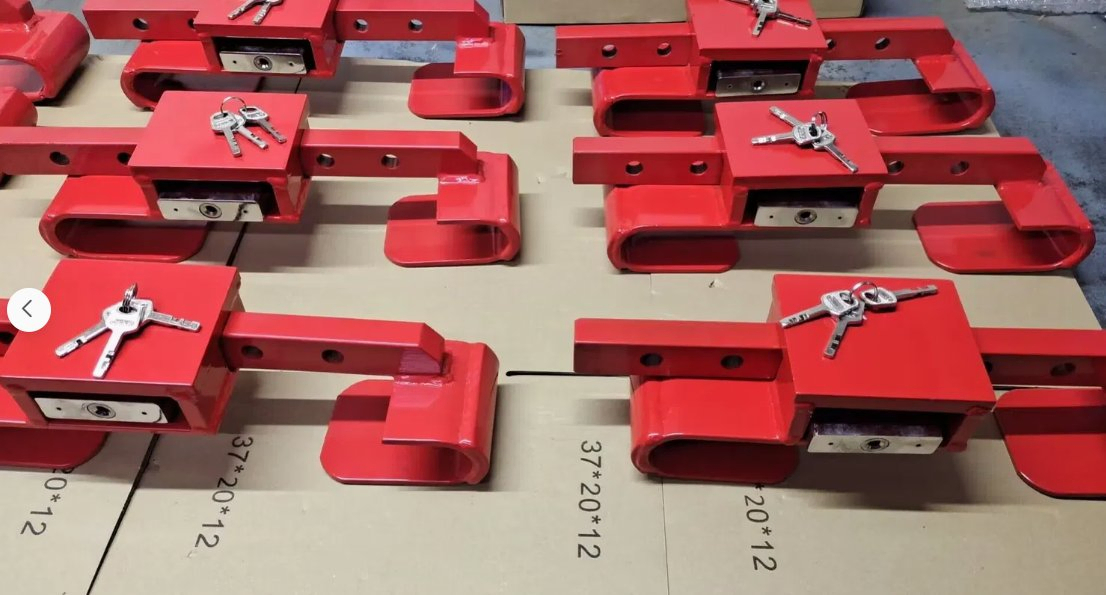
Heavy-duty padlock structures are essential for intermodal container security, providing a robust solution to protect valuable cargo during transport. In a world where theft and damage can severely impact businesses, choosing the right padlock is crucial for purchasing managers, distributors, and engineers. This article will guide you through the key considerations for selecting heavy-duty padlocks, their specifications, and the common challenges faced in their application, ensuring that you make informed decisions for optimal security.
Choosing Heavy-Duty Padlocks for Intermodal Container Security
When selecting heavy-duty padlocks for intermodal containers, several factors come into play. Primarily, the padlock must be made from durable materials that can withstand harsh weather conditions and tampering attempts. Common materials include hardened steel or brass, known for their resilience. Additionally, consider the locking mechanism; options such as dual-key systems or combination locks offer enhanced security.
Another critical aspect is the padlock's size and shackle thickness. A thicker shackle typically provides better resistance to cutting and sawing. It's also advisable to opt for padlock with anti-pick features to deter lock-picking attempts. Lastly, reviewing the padlock's certification is essential; look for products that adhere to industry standards, ensuring reliability and effectiveness in securing intermodal containers.
Key Specifications for Heavy-Duty Padlocks in Container Use
Understanding the key specifications of heavy-duty padlocks is vital for ensuring their suitability for intermodal container use. Here are the primary specifications to consider:
Material Composition: Heavy-duty padlocks should utilize materials like stainless steel or hardened steel, which offer high tensile strength and corrosion resistance. This ensures long-term durability, especially in outdoor environments.
Shackle Diameter: A thicker shackle, typically ranging from 9mm to 12mm, enhances resistance against cutting tools. The diameter should be chosen based on the container's hasp dimensions to ensure compatibility.
Locking Mechanism: Padlocks may feature either a key-based or combination lock system. A dual-locking mechanism can provide added security and prevent unauthorized access.
Weather Resistance: Look for padlocks with weatherproof features, such as protective covers or coatings, to guard against moisture, dust, and extreme temperatures.
Weight: Heavier padlocks often indicate stronger materials and construction. However, ensure that the weight does not compromise ease of use during operations.
What to Look for in Padlock Structures
When evaluating padlock structures, several critical factors should be assessed:
Construction Quality: Examine the overall build quality. A well-constructed padlock will have tight tolerances, ensuring that components fit together securely without gaps that could be exploited.
Shackle Design: The shackle should be designed to minimize vulnerabilities. Look for features such as shrouded or closed shackles, which offer better protection against cutting.
Key Control: Consider whether the container padlock supports key control systems, which help manage key distribution and prevent unauthorized duplication.
Tamper Resistance: Features such as anti-drill plates and reinforced housings can significantly enhance tamper resistance, making it harder for thieves to gain access.
Certifications and Testing: Verify that the padlock meets recognized security standards (e. g., Sold Secure, UL ratings). These certifications ensure that the padlock has undergone rigorous testing for strength and reliability.
Cost Factors for Bulk Orders of Heavy-Duty Padlocks
When preparing to order heavy-duty padlocks in bulk, several cost factors must be considered:
Volume Discounts: Many manufacturers offer tiered pricing based on order quantity. Higher volumes typically yield greater discounts, which can significantly reduce overall procurement costs.
Material Selection: The choice of materials impacts pricing. For example, stainless steel may incur higher costs compared to brass, but it offers superior durability and corrosion resistance.
Customization Options: Custom features, such as engraved logos or unique keying systems, can increase costs. Assess whether these enhancements are necessary for your security requirements.
Shipping and Handling: Consider the logistics involved in bulk ordering. Shipping costs can vary based on order size and destination, so factor these into your total budget.
Lead Time: Longer lead times may affect pricing, particularly if expedited shipping is required. Understand the manufacturer's production capacity to plan your order accordingly.
Common Problems with Padlocks and Effective Solutions
While heavy-duty padlocks are designed for security, they can encounter several common problems. Here are some issues and their respective solutions:
Rust and Corrosion: Exposure to moisture can lead to rusting. To prevent this, choose padlocks with weather-resistant coatings and regularly inspect and maintain them.
Key Breakage: Keys can become damaged or break inside the lock. To mitigate this, use high-quality keys and avoid using excessive force when turning the key. Consider keeping a spare set of keys securely stored.
Lock Jamming: Dirt and debris can cause locks to jam. Regularly clean the locking mechanism and apply graphite lubricant to ensure smooth operation. Avoid using oil-based lubricants, which can attract dust.
Unauthorized Access: Despite heavy-duty features, security padlocks for containers can still be compromised. Implement additional security measures, such as surveillance cameras or alarm systems, to deter tampering.
Incompatibility with Container Hardware: Before purchasing, ensure that the padlock is compatible with the container's hasp. Misaligned dimensions can render the padlock ineffective.
By understanding these common issues and their solutions, you can maintain the integrity of your intermodal container security systems effectively.
This article provides a comprehensive overview of heavy-duty padlock structures for intermodal container security, addressing critical specifications, selection criteria, and common challenges faced in their application. By following these guidelines, purchasing managers and engineers can make informed decisions that ensure the safety and security of their valuable cargo.