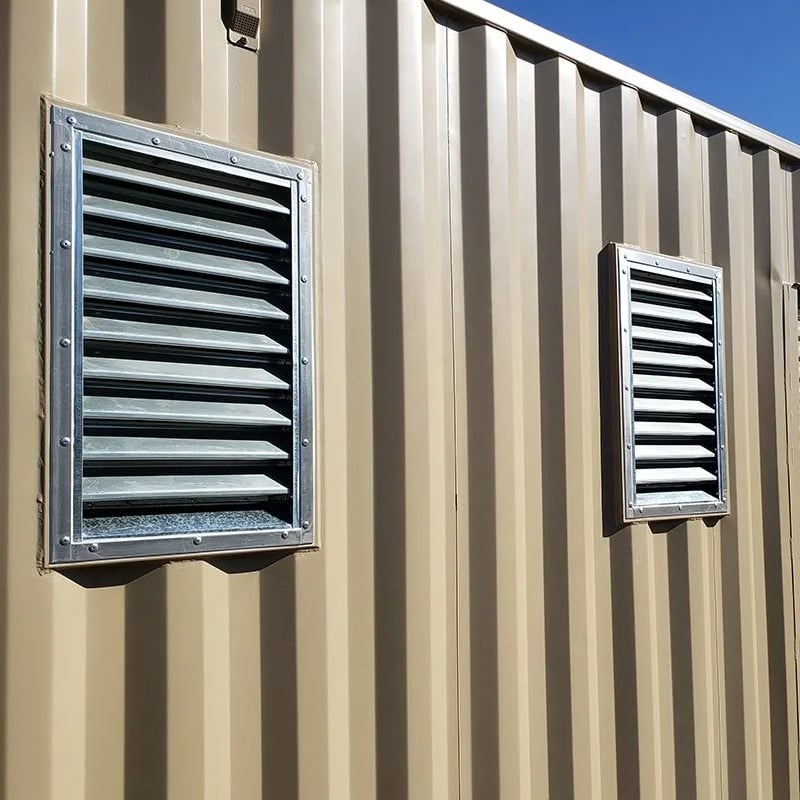
When storing items in containers, it’s very important to think about how air flows inside them. Good airflow helps keep the items fresh and protects them from mold, rust, and other damage. Containers, like the ones Esen makes, can store many things, from clothes to machinery. If air doesn’t circulate well, it can lead to problems. For example, if you store food or electronics without proper container ventilation, they might get ruined. This article will explain how to improve airflow in storage containers and what types of ventilation systems you can use to keep your items safe.
To make sure air moves well in your storage containers, there are a few easy steps you can take. First, it’s important to choose the right container. Some containers have built-in vents that allow fresh air to come in while letting stale air out. If your container doesn’t have these vents, you might want to add them. You can do this by drilling small holes in the container's sides. Just remember not to make them too big, or they may let in moisture or dirt.

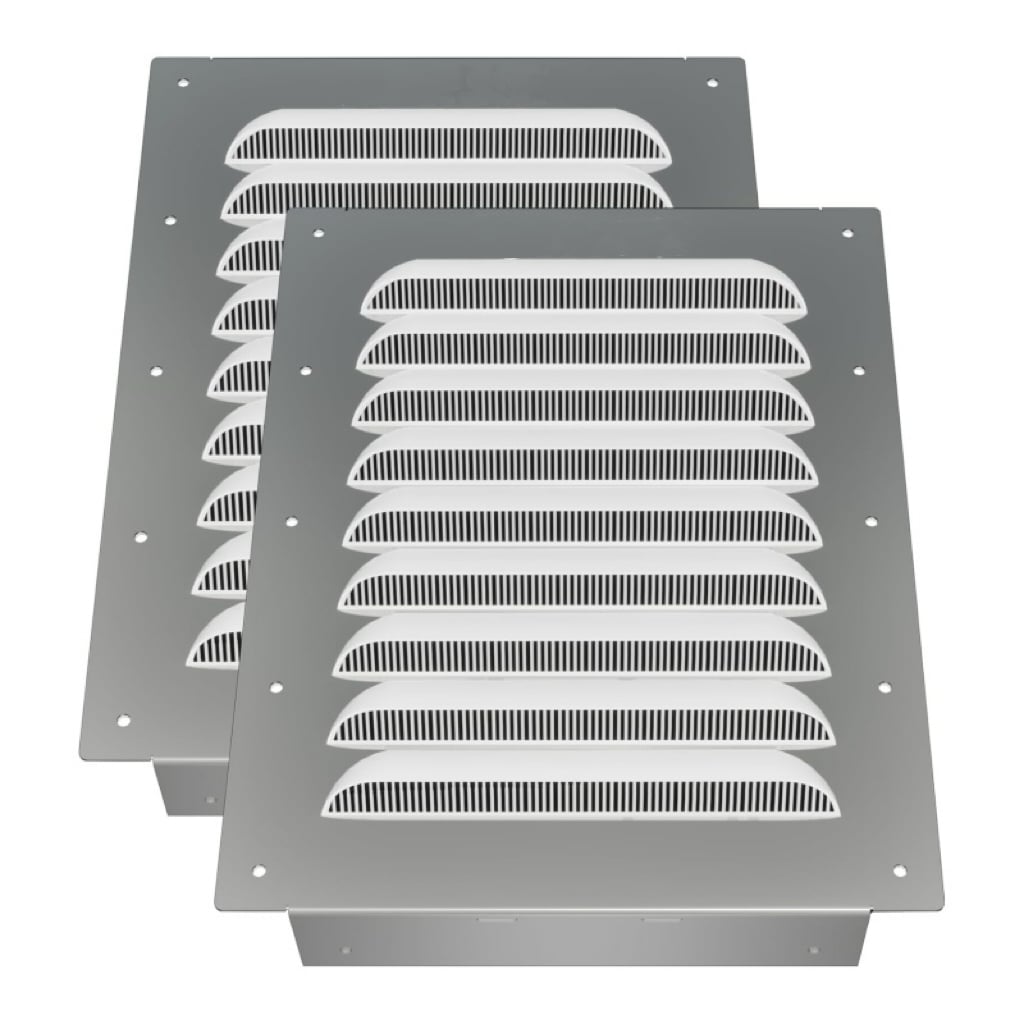
When it comes to ventilation systems for storage containers, there are several options to choose from. One popular choice is passive ventilation. This means using vents or holes that allow air to flow naturally without any mechanical help. You can install these vents on the sides or roof of the container. This type of system works best in areas with a good breeze since it relies on wind to push air in and out.
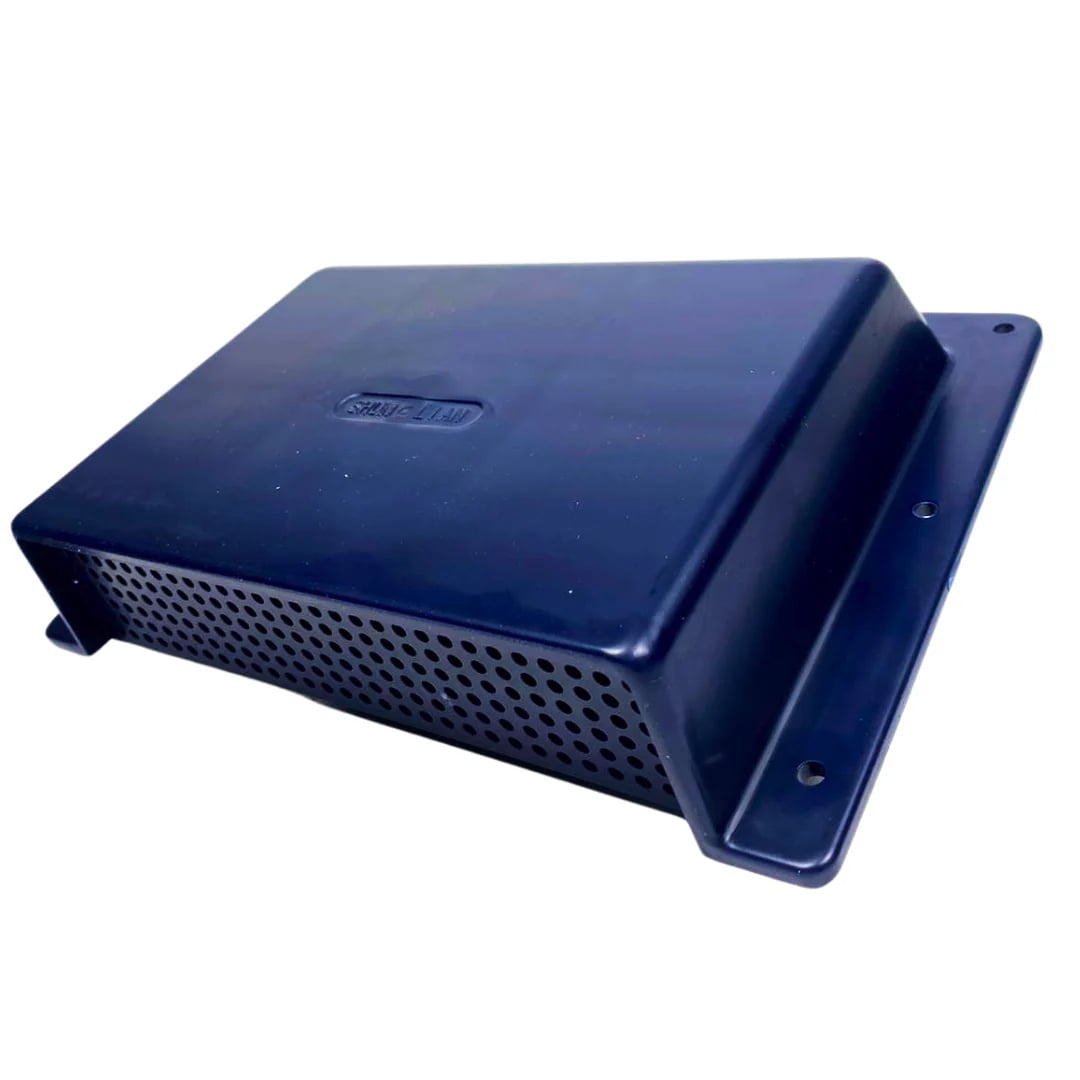
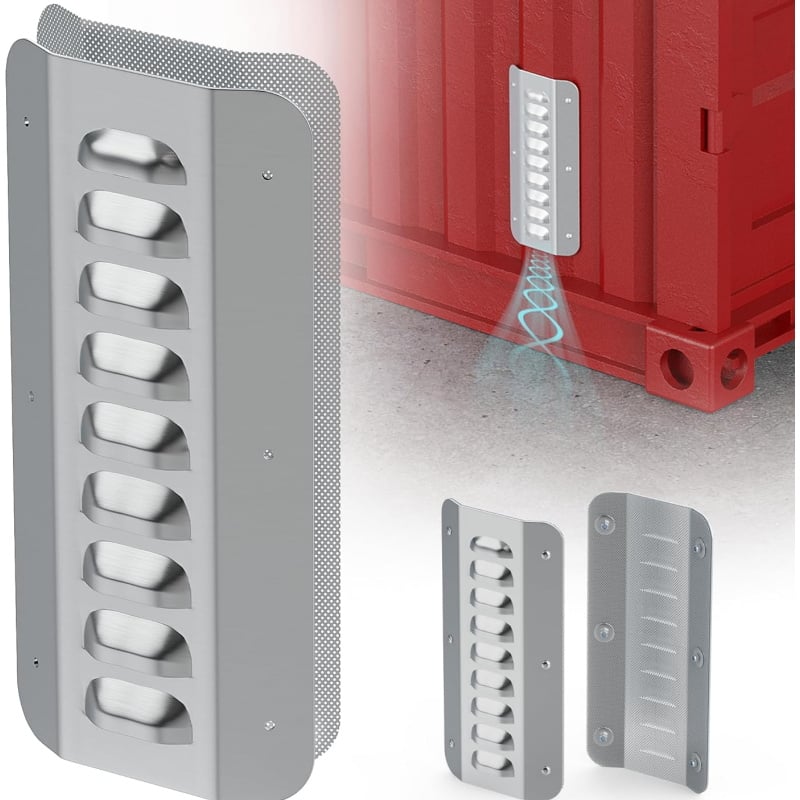
When you use a storage container, it is important to keep the air inside fresh and clean. This is what we call ventilation. Good ventilation prevents bad smells and keeps your items safe. To ensure effective ventilation in your shipping container ventilation, you can start by adding vents. Vents are small openings that let air in and out. You can install them on the sides or the roof of the container. Make sure the vents are placed away from dirt and water to keep everything dry.
Another way to help with ventilation is to keep the container organized. When items are piled up, air cannot move freely. Try to leave space between your boxes and items. This will allow air to flow and reduce moisture. You can also use breathable storage bags or containers. These special bags let air in while keeping dust and dirt out. This container ventilation system is a great way to protect your items while ensuring they get enough air.
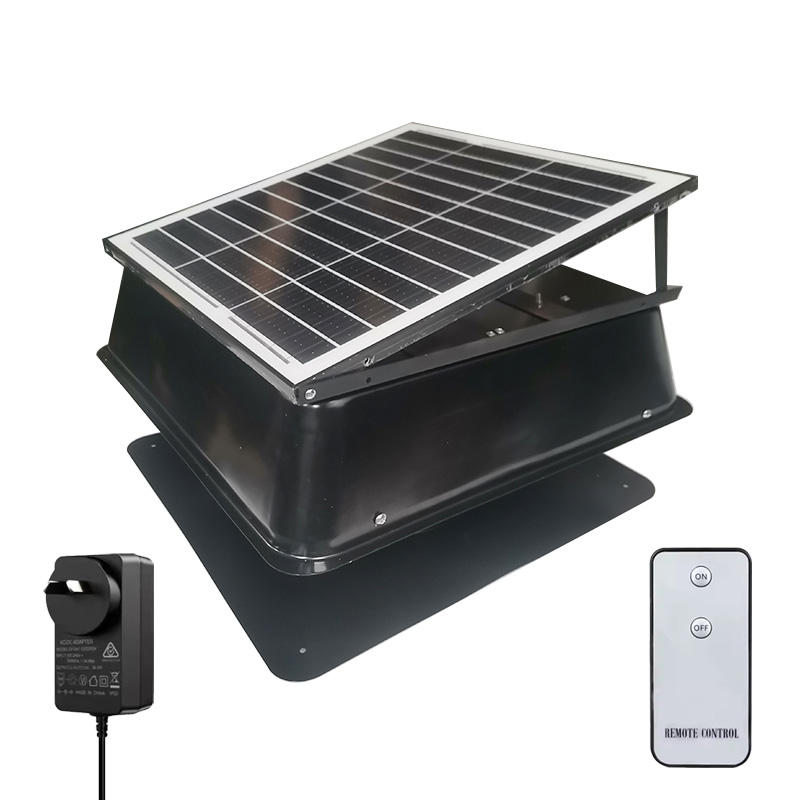
When you want to improve the ventilation in your storage container, it is important to buy good quality products. There are many places you can find ventilation items for your needs. One great place to start is online. Websites that specialize in storage solutions often have a wide range of products. You can find vents, fans, and even dehumidifiers that are perfect for your container. Make sure to read the reviews from other customers. This will help you understand if the product works well and if it is worth buying.
Sometimes, even with good ventilation, you may run into problems in your storage container. Don’t worry! Troubleshooting these issues is not too hard. One common problem is bad smells. If you notice a strange smell, it might be due to trapped air or moisture. First, check the vents to see if they are blocked. If you find dirt or dust, clean the vents carefully. Once the air can flow freely, the smell should go away.
Located in China’s largest wood production base (Linyi) and container spare parts hub (Shanghai), we operate a 60,000-square-meter facility with 9 automated production lines, 500+ employees, and annual outputs of 100,000 m³ flooring plywood and 500,000 tons of spare parts.
With long‑term partnerships across Europe, North America, Southeast Asia, and domestic leaders like CIMC, we provide full pre‑sales support—from customized quoting and sampling to production follow‑up—ensuring reliable delivery and seamless collaboration worldwide.
Holding ISO, ABS (U.S.), and FSC certifications, we adhere to both international and Chinese quality standards, supported by advanced equipment—including AUTO multi‑saws, veneering machines, and dryers—to ensure consistent, high‑performance products.
Our dedicated R&D team focuses on innovation and differentiation, offering tailored container flooring and accessory solutions that meet specific customer requirements, backed by a flexible production system capable of 3,000–5,000 units per category monthly.