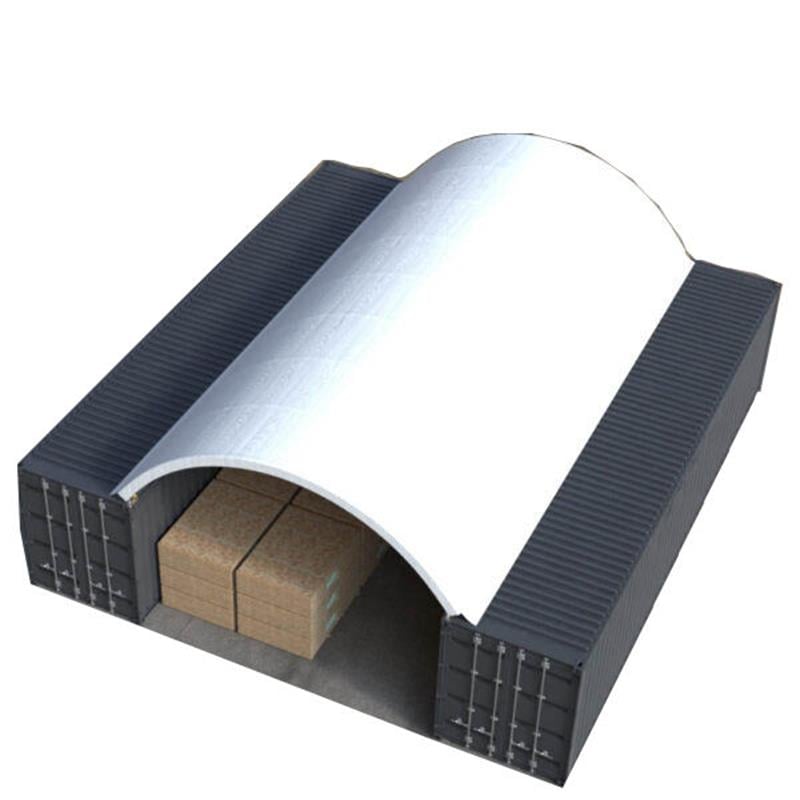
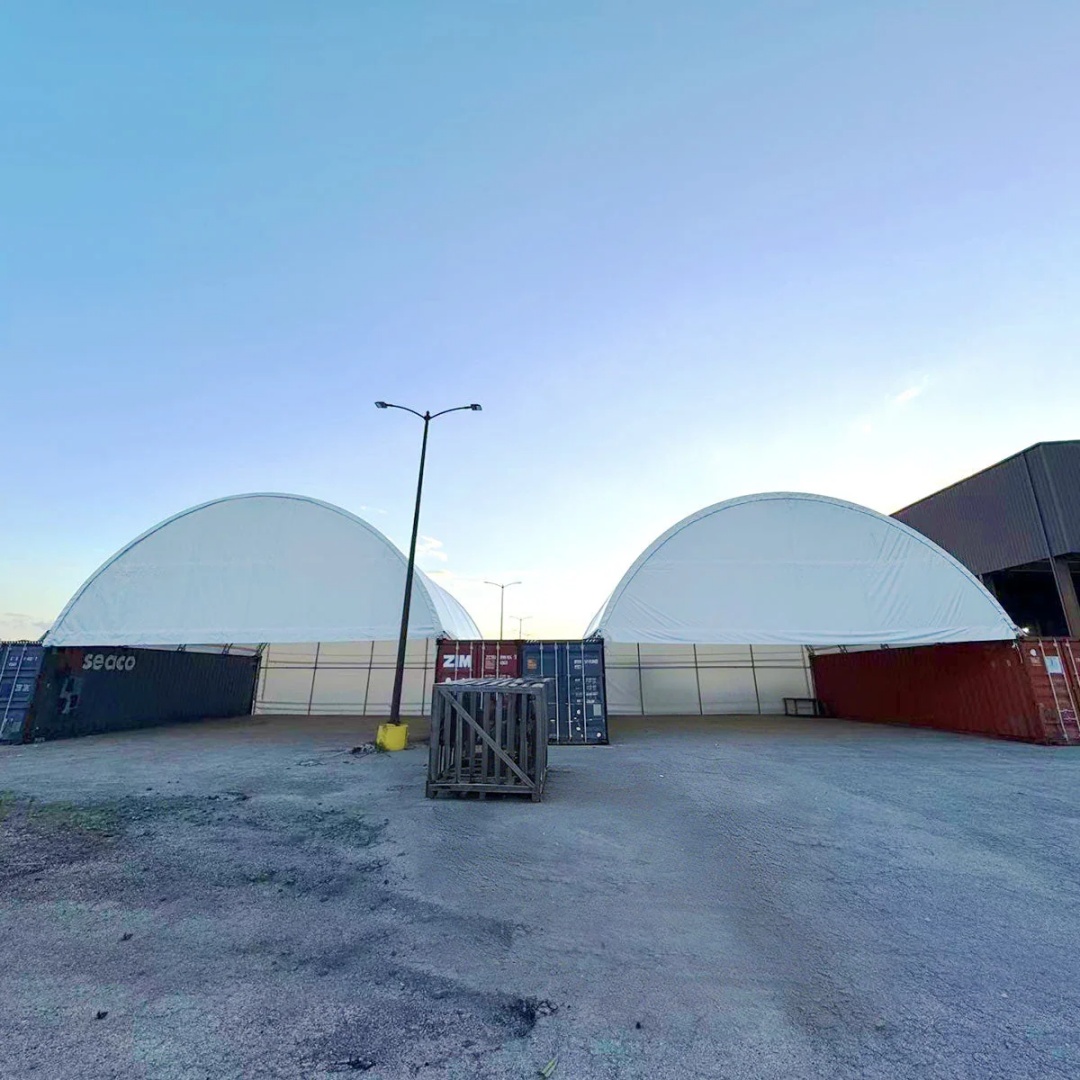
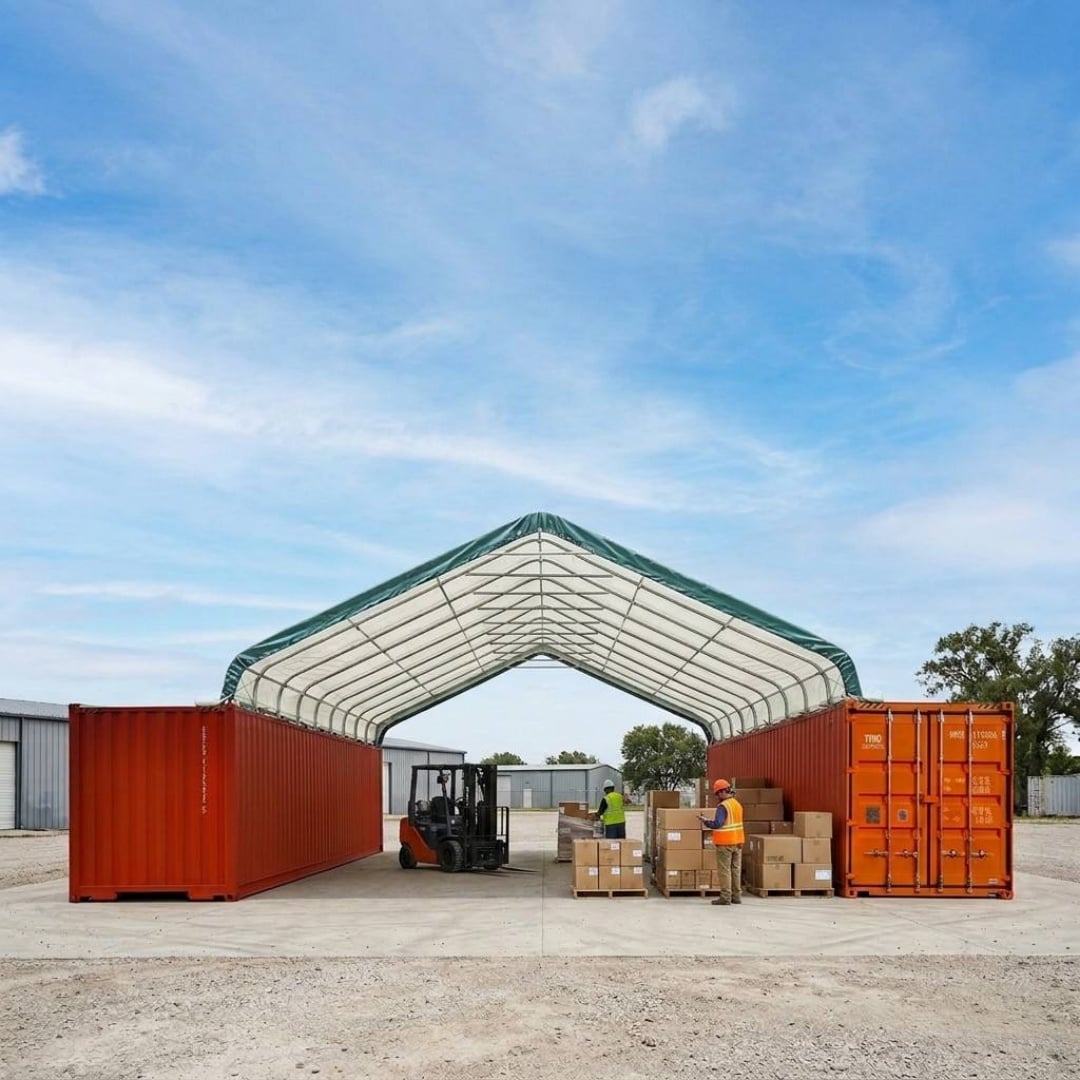
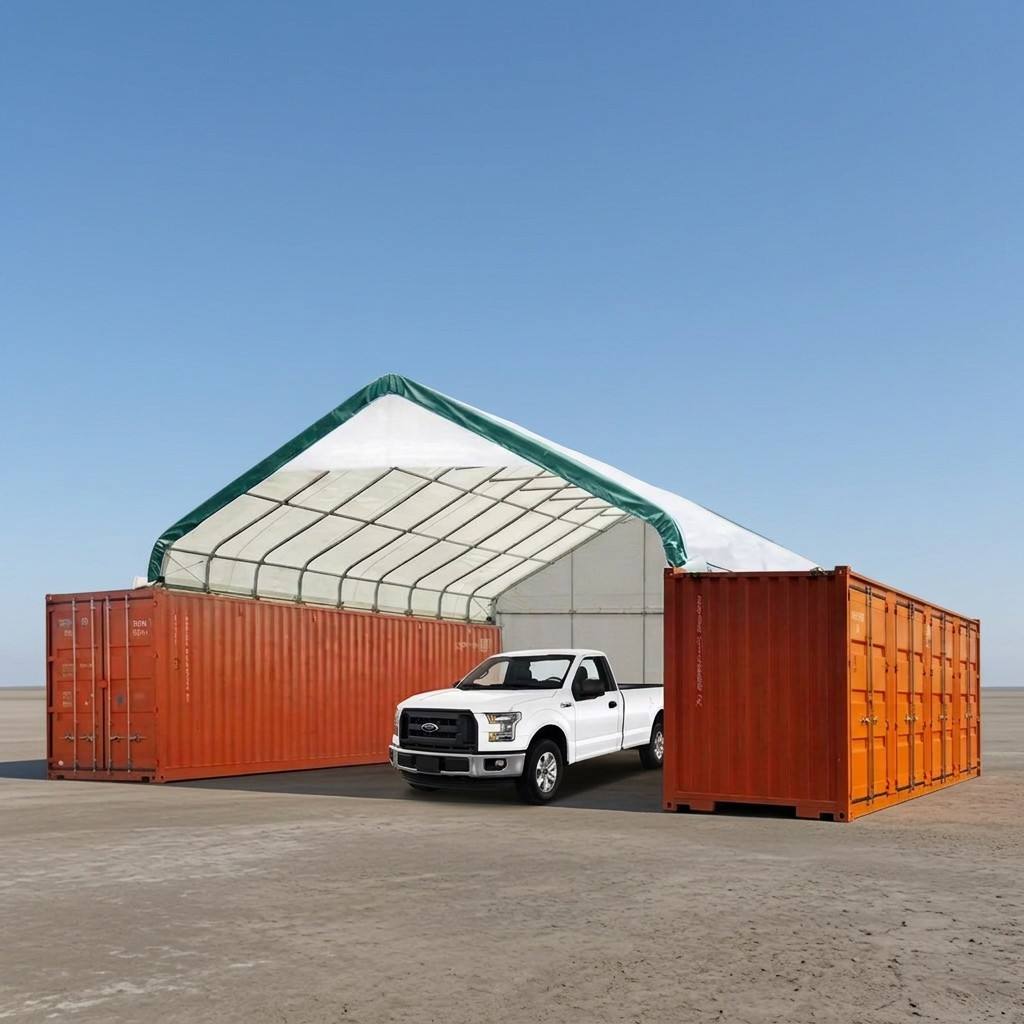
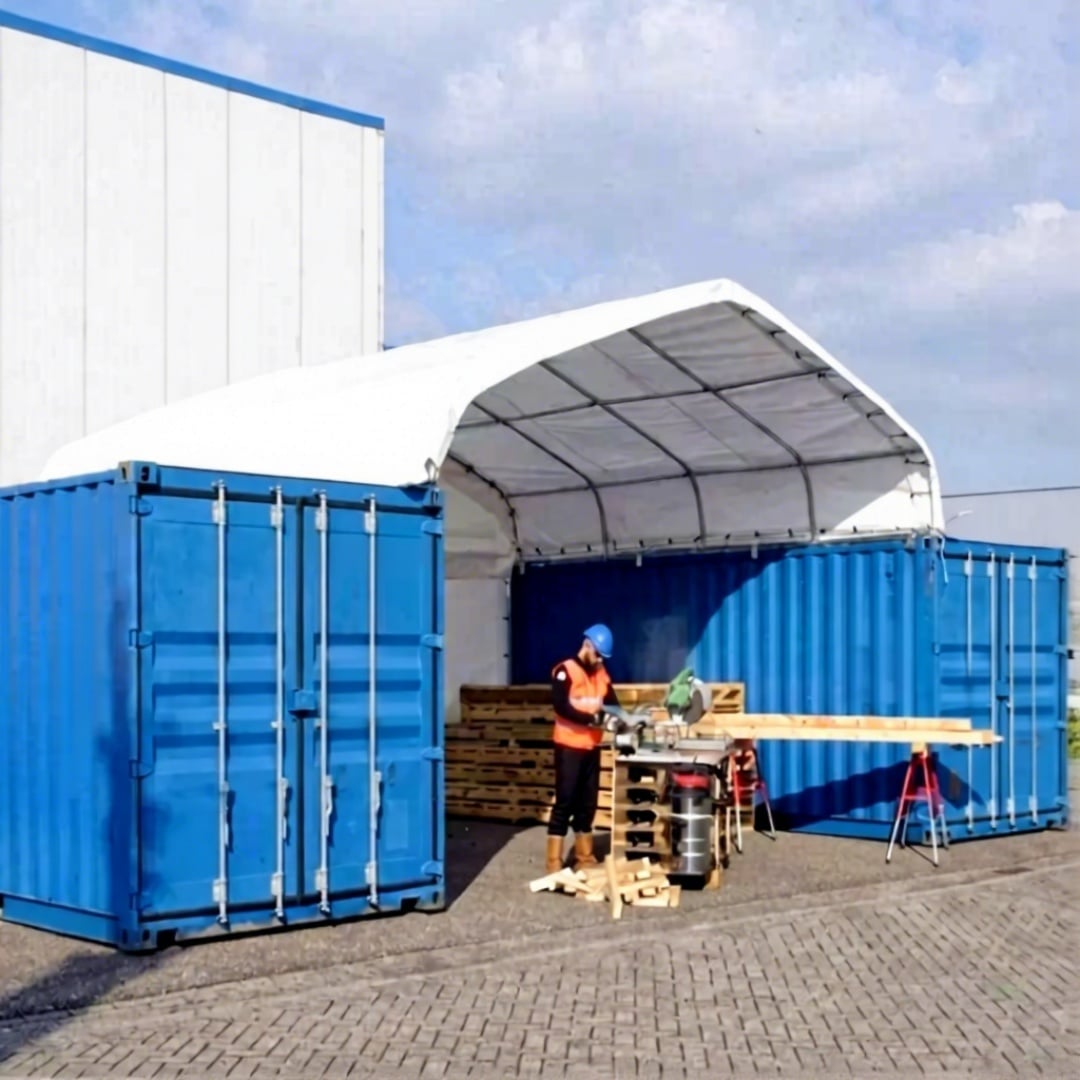
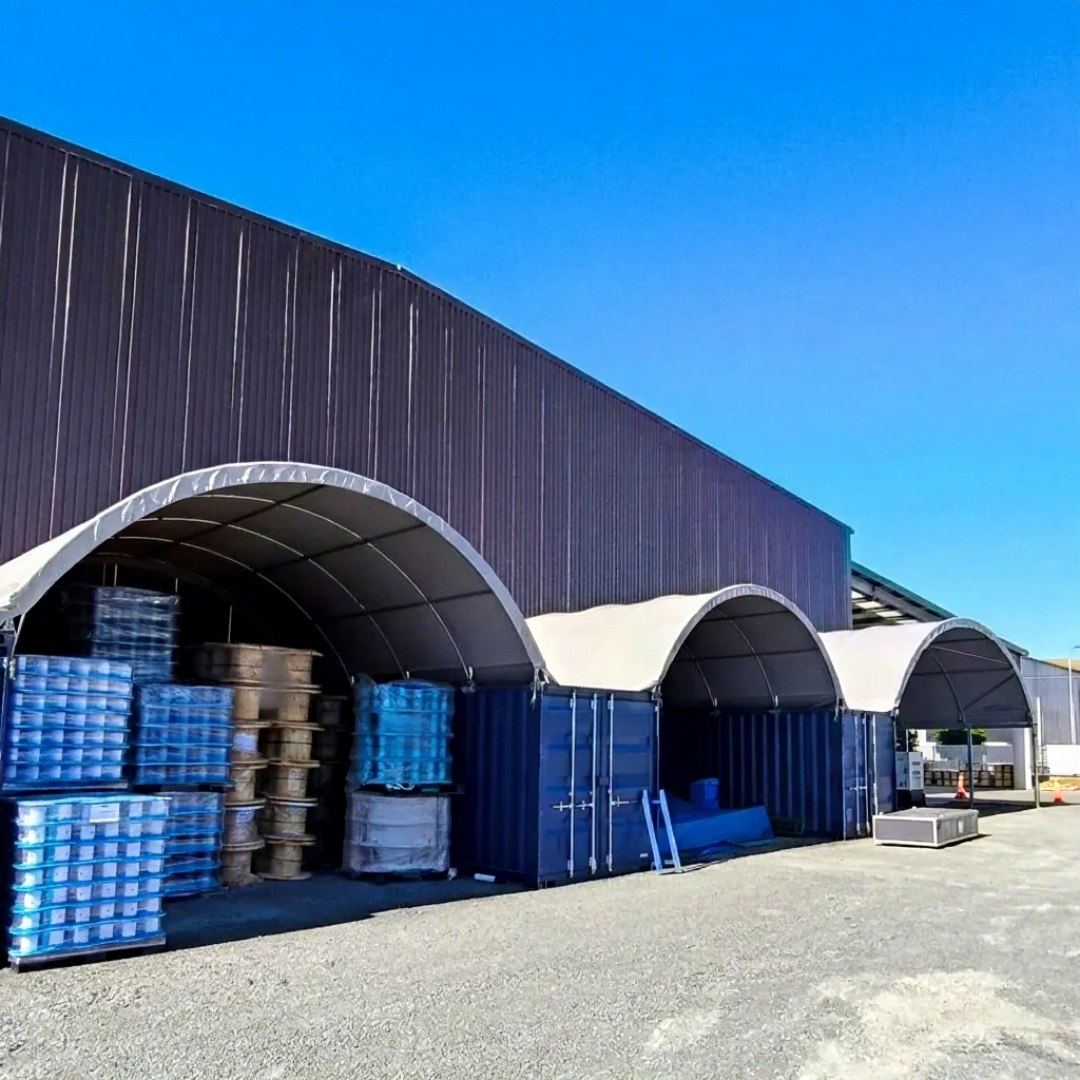
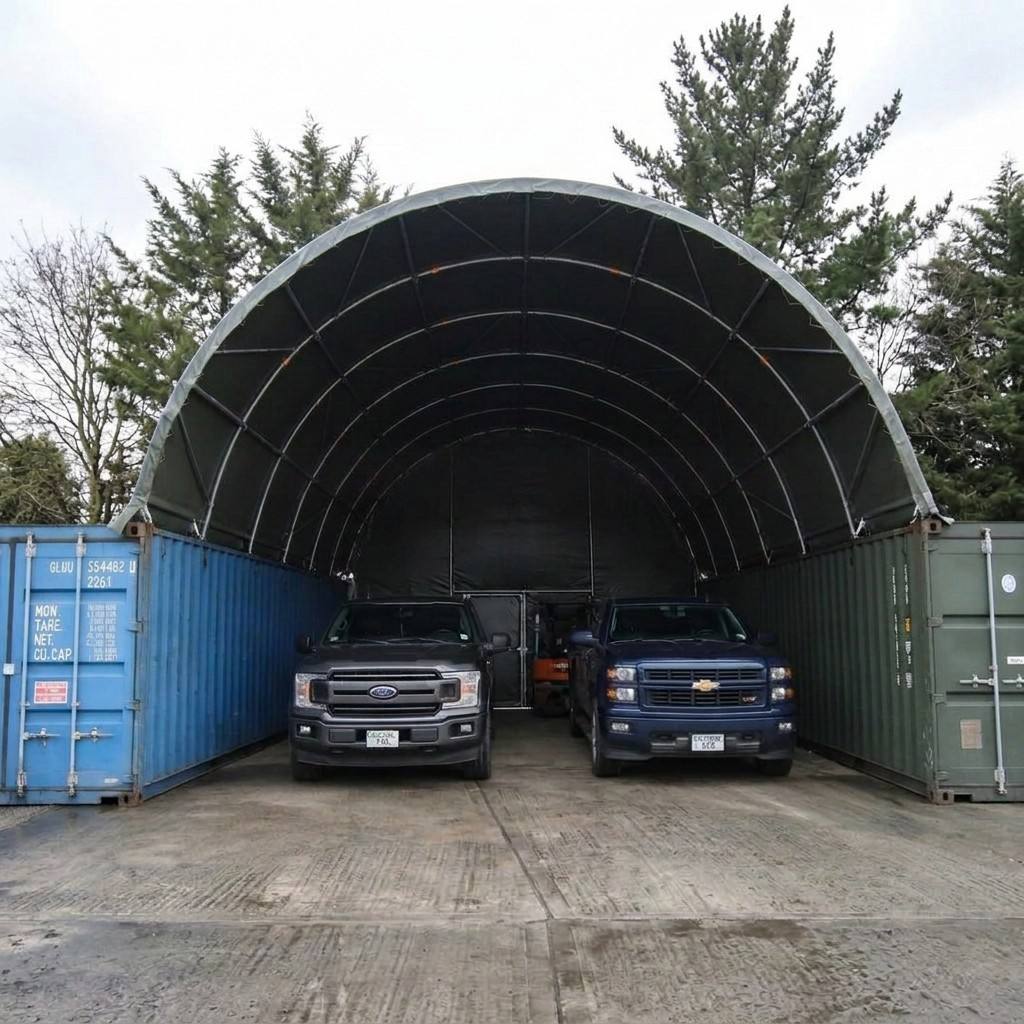
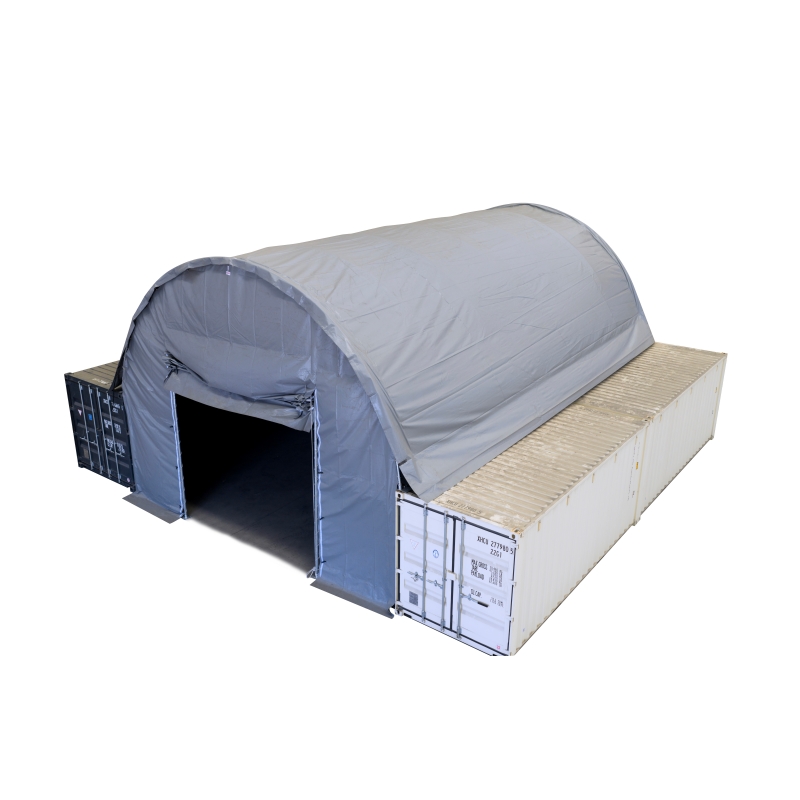
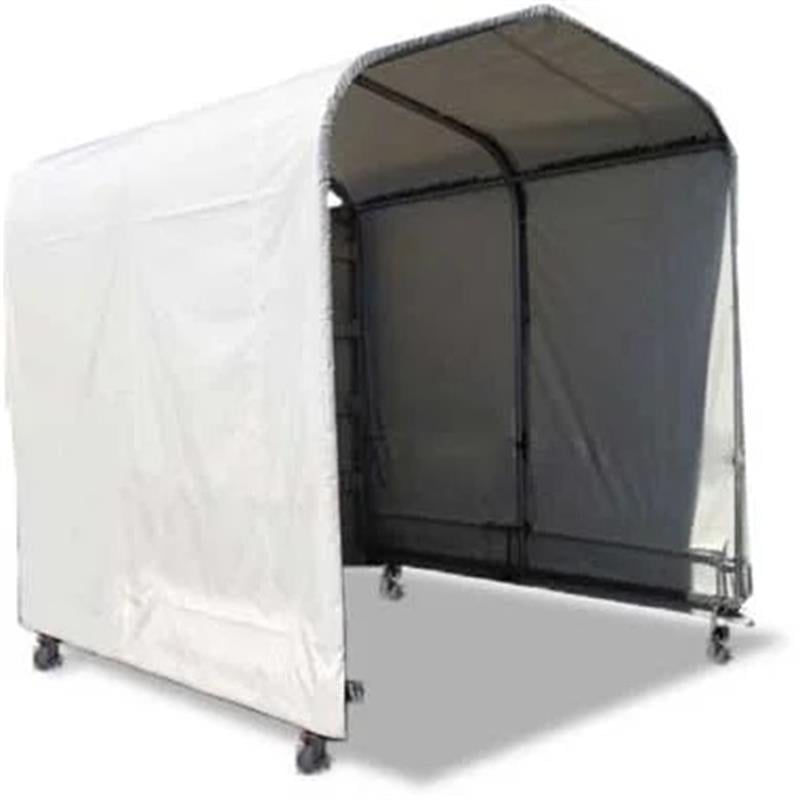
Conex shelters are strong, portable buildings made from shipping containers. They are used for many things, like storage, offices, and even homes. Many people and businesses like them because they are sturdy and can be moved easily. At Esen, we make these conex shelters to help meet various needs. Whether you need a place to store tools on a construction site or a temporary office for your team, conex shelters are a good choice. They are designed to be flexible and can fit in many different environments. This makes them perfect for industries like construction, military, and emergency services.
When picking a conex shelter, there are some important things to think about. First, you need to know what you will use it for. If you need it for storage, you might want a larger shelter with good ventilation. This keeps your items safe and dry. If you're looking for an office space, then you might want windows and insulation. This makes the space more comfortable to work in. There are also different sizes of shipping container shelter. Some are small and can fit in tight spots, while others are big enough for groups of people.
Conex shelters are strong, metal containers that people use for many reasons. They can be used as homes, offices, or storage spaces. To use Conex shelters the best way, you should follow some important practices. First, always choose a good location for your Conex shelter. It should be on flat ground, away from flooding or strong winds. This keeps the shelter safe and stable. Next, make sure to clean the area around the shelter. Keeping it tidy helps to prevent pests and makes it a nice place to be. When setting up the shelter, think about insulation. Insulation helps keep the temperature inside comfortable. For example, if it is hot outside, insulation can help keep the inside of the shelter cool. If it is cold, insulation can help keep it warm. Using a good door and windows will also help with temperature control. You can use fans or heaters inside the shelter to make it more comfortable.
Another best practice is to decorate the inside of the Conex shelter. Adding furniture or decorations can make it feel more like home. You can paint the walls or hang pictures to make the space welcoming. If you plan to use the shelter for work, arrange the furniture to create an organized workspace. It helps to have everything you need within reach. Additionally, if you are using the Conex shelter for a long time, consider adding a water source and bathroom. This makes living in the shelter much easier. Lastly, always remember to check the shelter regularly. Look for rust or damage to the metal. If you see any issues, fix them right away to keep the shelter in good shape. At Esen, we believe that following these best practices will help everyone enjoy their Conex shelters safely and comfortably.

Even though Conex shelters are strong and useful, there are some common problems people might face when using them. One big issue is rust. Since Conex shelters are made of metal, they can start to rust if they get wet. Rust can make the shelter weak over time. To solve this problem, you should always keep the shelter dry. If you see any rust, clean it off with a wire brush and paint over it with special rust-resistant paint. Another common issue is poor insulation. If the shipping container canopy shelter is not insulated well, it can become too hot in summer or too cold in winter. To fix this, you can add insulation to the walls and roof. There are many types of insulation materials available, so you can choose one that fits your needs.
Another problem people might have is a lack of ventilation. Without good airflow, the inside of the Conex shelter can become stuffy or too humid. To solve this, make sure to open windows or add vents to allow fresh air in. You can also use fans to help circulate the air. Additionally, some people find it hard to make the shelter feel cozy. If the shelter feels cold and unwelcoming, try adding rugs, curtains, and plants. These small touches can make a big difference in how the space feels. Lastly, sometimes people worry about safety inside Conex shelters. To keep everyone safe, make sure to have fire extinguishers and first aid kits on hand. Having an emergency plan is also important so everyone knows what to do in case of a problem. At Esen, we understand these common issues and encourage people to take action to solve them so they can enjoy their Conex shelters fully.
Using Conex shelters safely is very important. There are rules and guidelines that help keep people safe while they use these shelters. First, it is crucial to check the local laws and regulations about using Conex shelters. These laws can vary from place to place. Some areas might have specific rules about where you can place a Conex shelter or how tall it can be. To ensure you are following the rules, contact your local government or building authority to get the right information. Next, you should think about safety features when setting up the shelter. Make sure that the shipping container dome shelter is properly secured to the ground. This helps prevent it from tipping over in strong winds or storms. You can use anchors or blocks to keep it stable.
Our dedicated R&D team focuses on innovation and differentiation, offering tailored container flooring and accessory solutions that meet specific customer requirements, backed by a flexible production system capable of 3,000–5,000 units per category monthly.
Located in China’s largest wood production base (Linyi) and container spare parts hub (Shanghai), we operate a 60,000-square-meter facility with 9 automated production lines, 500+ employees, and annual outputs of 100,000 m³ flooring plywood and 500,000 tons of spare parts.
Holding ISO, ABS (U.S.), and FSC certifications, we adhere to both international and Chinese quality standards, supported by advanced equipment—including AUTO multi‑saws, veneering machines, and dryers—to ensure consistent, high‑performance products.
With long‑term partnerships across Europe, North America, Southeast Asia, and domestic leaders like CIMC, we provide full pre‑sales support—from customized quoting and sampling to production follow‑up—ensuring reliable delivery and seamless collaboration worldwide.