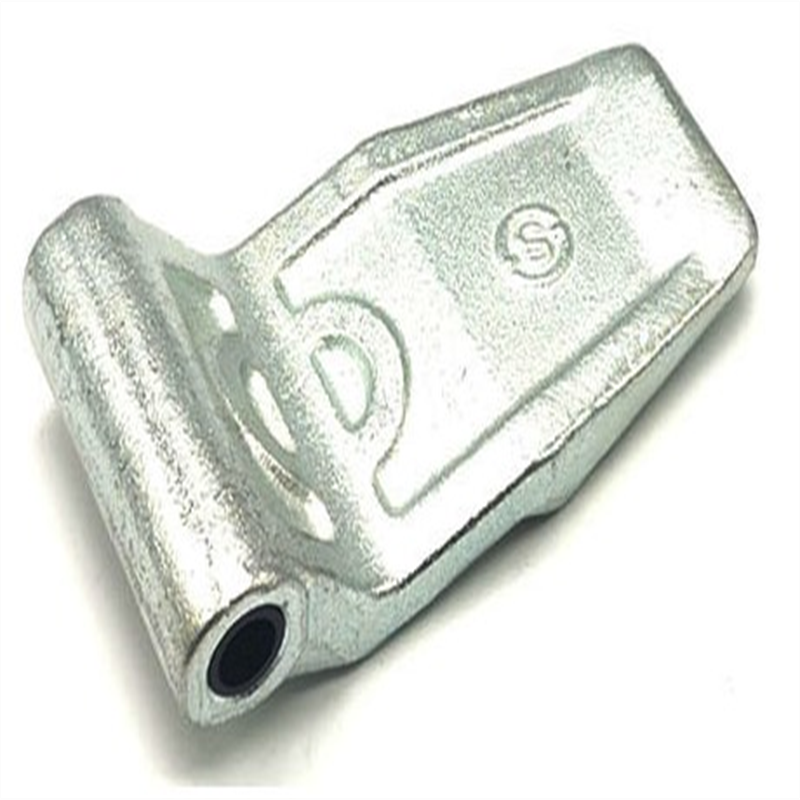
If you have ever seen a large metal box on a ship or a truck there is a good chance that it was a shipping container. They’re carrying all kinds of stuff such as toys, clothes and even food. But have you given much thought to how these jars are made? The Hinges One crucial part of a shipping container construction is Door Hinges which enable the doors to open and close In this article we will delve into the galaxy of shipping container used in a standard 40-foot one, and then we will unravel the secrets about them.
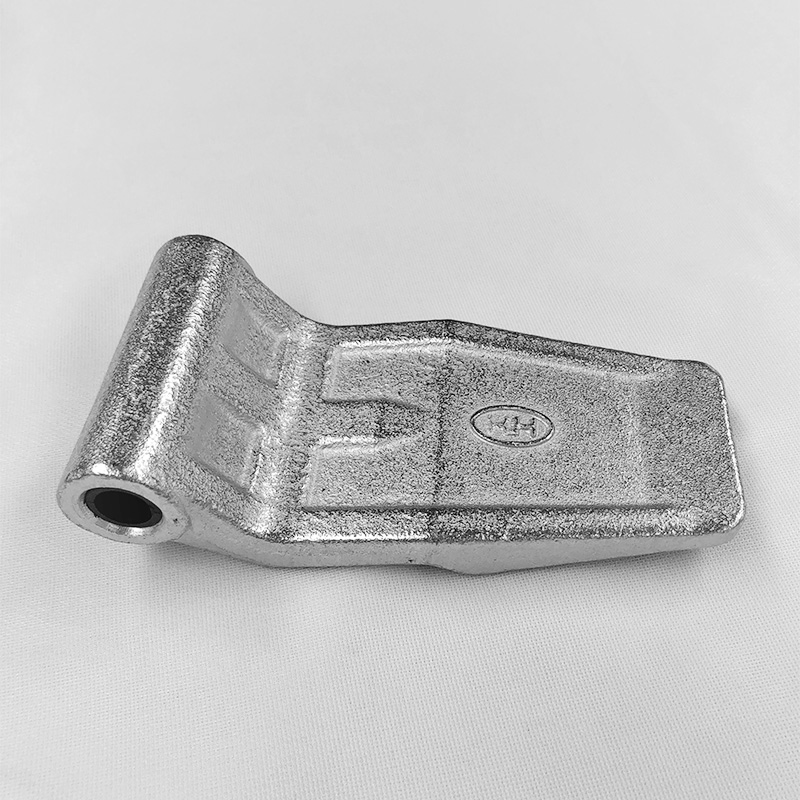
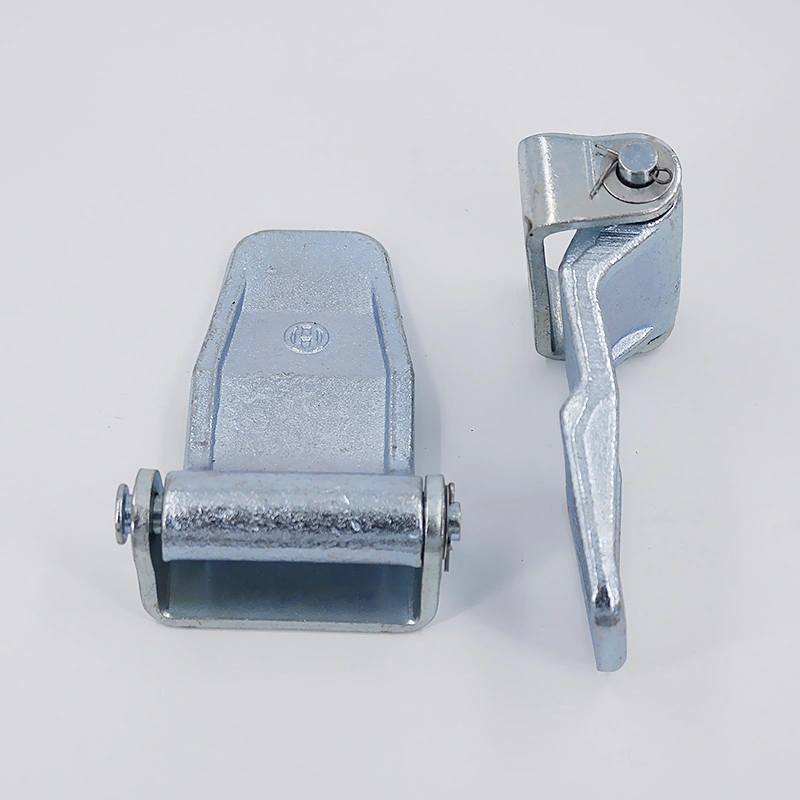
There are different kinds of hinges that can normally be found with shipping containers. Most are of a type familiar as being in common use: One long piece of metal that is bent together in the middle, also known as a strap hinge. These hinges are also sturdy and resilient, which works well for heavy doors, such as shipping container doors.

Like everything else, even the hinges on shipping containers must be maintained to manage properly. This involves ensuring they are clean and free from rust or corrosion. If you see that a hinge is starting to squeak, or struggles to opens and closes smoothly, then either oil it or have it replaced.
Adding if it gets damaged or bent, replace it. You can do this by using a hammer or wrench to fix the hinge so it is straight or replace the hinge. Shipment Container Doors Proper maintenance and repairs will keep your shipping container doors secure and functioning properly.

The hinges of a shipping container are the container door hinge components which fasten the doors safely to the container during transit. It is essential because, if the doors were to open during transport, the contents of the container may fall out and/or suffer damage. That is why it is important to rely on strong and trusted hinges.

With technology comes new shipping container hinges. Manufacturers are always developing new and better designs to strengthen and streamline hinges. In recent years, some have begun working with materials such as stainless steel or aluminum to make hinges that are less susceptible to rust and corrosion.

You also need to consider the elements your container will be container flooring subjected to. If you live in a rainy, damp climate, you are going to want to go with hinges that do not rust out, corrode, or break down over time. Finally, think about your budget and search for hinges that work with your funds and yet still meet your quality standards.
Holding ISO, ABS (U.S.), and FSC certifications, we adhere to both international and Chinese quality standards, supported by advanced equipment—including AUTO multi‑saws, veneering machines, and dryers—to ensure consistent, high‑performance products.
With long‑term partnerships across Europe, North America, Southeast Asia, and domestic leaders like CIMC, we provide full pre‑sales support—from customized quoting and sampling to production follow‑up—ensuring reliable delivery and seamless collaboration worldwide.
Our dedicated R&D team focuses on innovation and differentiation, offering tailored container flooring and accessory solutions that meet specific customer requirements, backed by a flexible production system capable of 3,000–5,000 units per category monthly.
Located in China’s largest wood production base (Linyi) and container spare parts hub (Shanghai), we operate a 60,000-square-meter facility with 9 automated production lines, 500+ employees, and annual outputs of 100,000 m³ flooring plywood and 500,000 tons of spare parts.