
 EN
EN
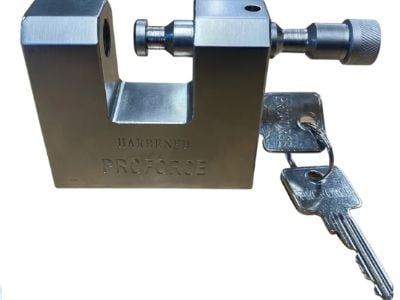
When it comes to container padlock construction, understanding the differences between materials is crucial for ensuring security and durability. We will explore the comparison of stainless steel vs hardened steel for container padlock construction. As a B2B buyer, you'll face questions regarding material strength, corrosion resistance, cost-effectiveness, and overall suitability for your specific applications. This article will provide you with the insights needed to make informed decisions for your purchasing needs.
Stainless Steel vs Hardened Steel
Stainless steel and hardened steel serve distinct roles in padlock construction, each offering unique benefits.
Stainless Steel: Known for its excellent corrosion resistance, stainless steel is ideal for environments exposed to moisture and chemicals. It contains chromium, which forms a protective layer that prevents rusting. This makes stainless steel locks suitable for shipping containers that may be subjected to harsh weather conditions. However, while stainless steel is robust, it is generally softer than hardened steel, which can affect its resistance to cutting and impact forces.
Hardened Steel: In contrast, hardened steel is treated through heat processes to increase its hardness and strength. This material is less likely to deform under stress, providing enhanced security against cutting and sawing. While it may not resist corrosion as effectively as stainless steel, hardened steel can be coated or treated to improve its durability against environmental factors.
Ultimately, the choice between stainless steel and hardened steel depends on your specific security requirements and environmental considerations.
How to Choose the Right Material for Container Padlock Construction
Selecting the appropriate material for container padlock construction involves evaluating several factors:
Security Needs: If maximum security is a priority, hardened steel may be the better choice due to its superior resistance to cutting and impact. For applications where corrosion is a concern but cutting resistance is less critical, stainless steel might suffice.
Environmental Conditions: Consider the environment where the padlock will be used. For coastal or humid environments, stainless steel's corrosion resistance may be essential. In dry or controlled environments, hardened steel’s strength could be prioritized.
Cost Considerations: Typically, hardened steel may offer lower initial costs but could involve additional expenses for coatings to enhance corrosion resistance. Stainless steel, while generally more expensive, could provide long-term savings by reducing replacement frequency due to corrosion.
Usage Frequency: For locks that will be frequently used, the ease of operation and maintenance should also be considered. Stainless steel locks often provide smoother operation and less friction than hardened steel counterparts.
By carefully assessing these factors, you can make an informed decision that aligns with your security needs and budget constraints.
Cost Factors for Bulk Orders of Stainless Steel vs Hardened Steel
When evaluating the cost of stainless steel versus hardened steel for container padlock construction, several factors come into play:
Material Pricing: The raw material costs for stainless steel generally run higher compared to hardened steel. This is due to the alloying elements, such as chromium and nickel, which enhance corrosion resistance but increase costs.
Manufacturing Processes: The complexity of manufacturing can significantly impact pricing. Hardened steel requires additional processing steps such as heat treatment, which can add to labor and operational costs. However, stainless steel may require specialized equipment for working with its unique properties.
Order Quantity: Bulk orders can lead to decreased per-unit costs, but the specific material choice will still influence overall pricing. Larger orders may also provide leverage for negotiation with suppliers.
Sourcing and Logistics: Consider the logistics of sourcing either material. Stainless steel is widely used and more readily available in various forms, which may reduce lead times. Hardened steel, depending on the required specifications, might have longer lead times due to the extra processing involved.
Understanding these cost factors will help you budget effectively while balancing quality and security needs.
Sourcing Stainless Steel and Hardened Steel
When sourcing stainless steel and hardened steel for container padlocks, consider the following steps:
Identify Reliable Suppliers: Look for suppliers who specialize in industrial-grade metals and have a proven track record in providing high-quality materials. Research their certifications, such as ISO and ABS, which indicate adherence to quality standards.
Request Material Specifications: Ensure that the supplier provides detailed specifications for the steel being offered, including alloy composition, hardness levels, and any coatings applied. This information is critical for verifying suitability for your application.
Evaluate Lead Times: Inquire about lead times for both stainless and hardened steel. Depending on your production schedule, timely delivery is crucial. Suppliers with advanced production capabilities, like those with automated processes, can often meet tight deadlines more effectively.
Discuss Customization Options: If your project has specific requirements, discuss customization options with potential suppliers. This could include tailored dimensions, surface treatments, or unique locking mechanisms.
By following these steps, you can ensure that you source high-quality materials that meet your specifications and project timelines.
Common Problems with Container Padlocks and Material Solutions
Container padlocks can face several common issues, often related to material selection. Here are some challenges and potential solutions:
Corrosion: Storage container padlock made from non-corrosive materials, such as stainless steel, can withstand exposure to moisture and chemicals. If using hardened steel, consider additional protective coatings to enhance corrosion resistance.
Cutting and Tampering: Hardened steel provides superior protection against cutting tools, making it ideal for high-security applications. Ensure that the lock design features robust internal mechanisms that further deter tampering.
Operational Issues: Locks may become difficult to operate if exposed to the elements. Choosing stainless steel can minimize these concerns due to its smoother operation. Regular maintenance and lubrication can also help ensure functionality.
Wear and Tear: Over time, padlocks can wear down, especially in high-use situations. Evaluating the choice of material based on expected usage can help mitigate this issue. For frequent use, stainless steel locks may offer better longevity.
By anticipating these potential problems, you can select materials and designs that enhance the durability and reliability of your container padlocks, ultimately protecting your assets more effectively.
In summary, understanding the differences between stainless steel and hardened steel, alongside their applications and implications, is crucial for making informed purchasing decisions in container padlock construction. By considering environmental factors, security needs, and cost implications, you will be better equipped to select the right material for your specific requirements.